February 2, 2026
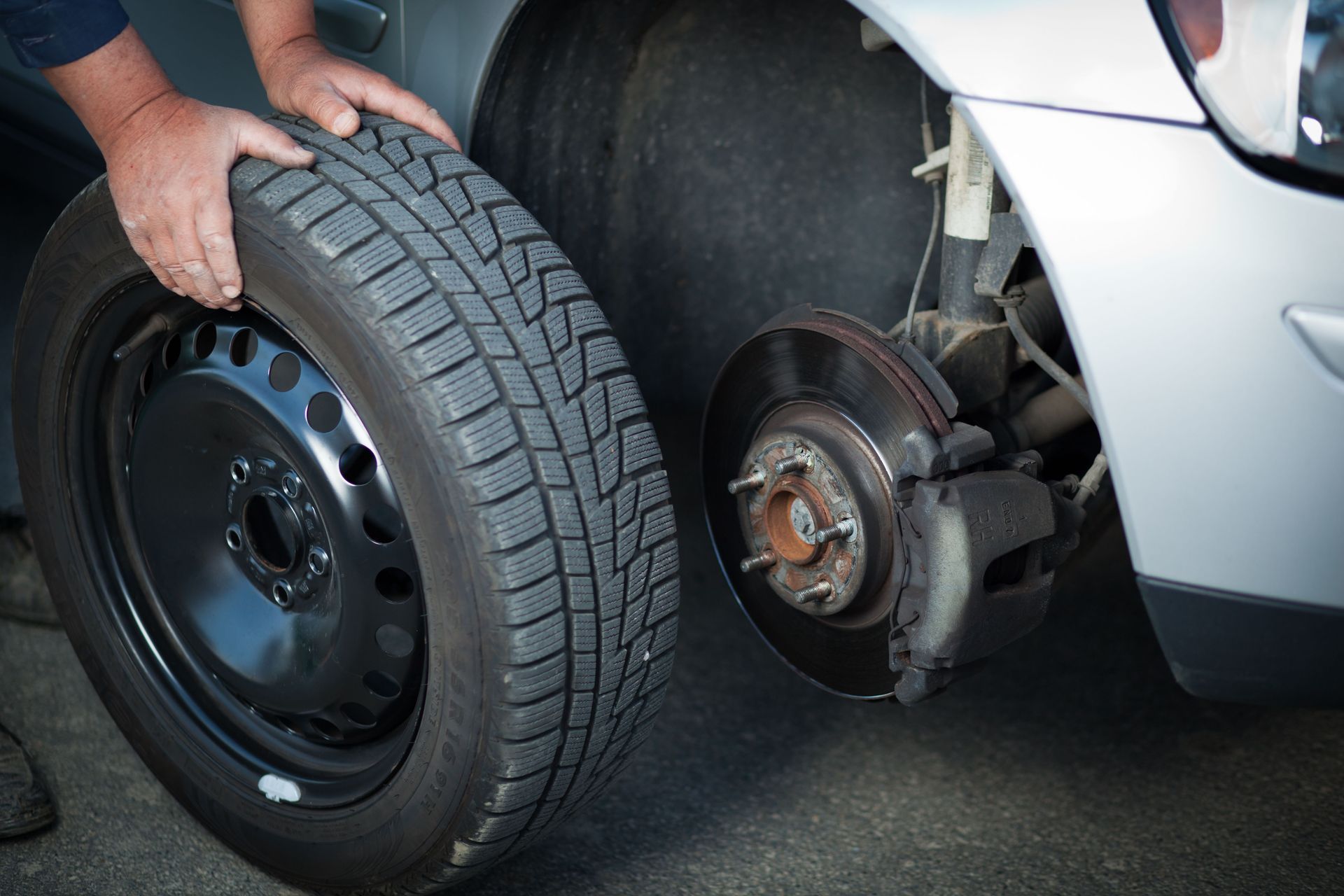
Commercial tire replacement is a critical responsibility for businesses that rely on vehicles to operate efficiently and safely. Tires are the only point of contact between a vehicle and the road, which means their condition directly affects braking, handling, fuel efficiency, and overall vehicle performance. For businesses managing delivery trucks, construction vehicles, or service vans, unexpected tire failures can disrupt schedules, increase operational costs, and create safety hazards. Many companies wait until tires fail before taking action, which often results in rushed, reactive decisions that are expensive and potentially unsafe. Taking a proactive approach ensures that commercial tire replacement is planned, predictable, and cost-effective, rather than a constant emergency.
Strategic commercial tire replacement also helps businesses maximize the lifespan of their fleets. By integrating tire care into broader maintenance programs, managers can reduce wear and prevent failures that lead to downtime. This approach not only protects drivers and cargo but also improves overall efficiency, fuel economy, and the reputation of the business. Understanding tire maintenance, replacement indicators, tire types, budgeting, supplier partnerships, and long-term management strategies equips companies to make informed decisions that keep vehicles safe and operational, and ensures commercial tire replacement becomes a strategic investment rather than a recurring problem.
Maintain Tire Health to Extend Lifespan
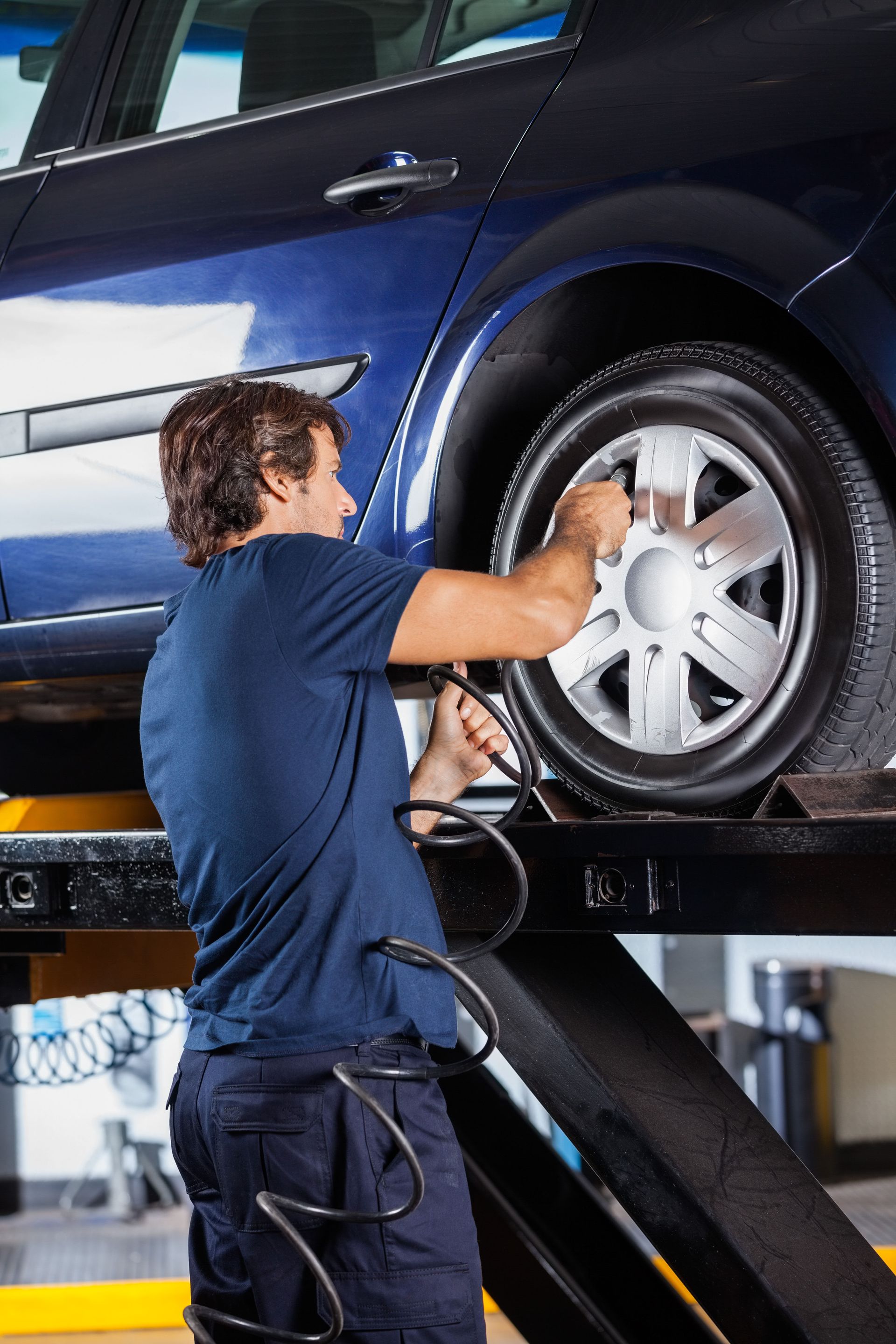
Routine tire maintenance is one of the most effective ways to delay the need for commercial tire replacement. Commercial vehicles often carry heavy loads over long distances and operate in varying weather conditions, which can accelerate wear if tires are neglected. Regular inspections help identify low air pressure, sidewall damage, uneven tread wear, or embedded debris before these issues escalate. Maintaining proper inflation is critical; underinflated tires generate excess heat and wear unevenly, while overinflated tires can reduce traction and increase the likelihood of blowouts.
Additionally, proper maintenance impacts fuel efficiency and overall operational efficiency. Tires in poor condition increase rolling resistance, forcing engines to work harder and consume more fuel. High-quality maintenance practices, such as scheduled tire rotations, pressure checks, and alignment services, help vehicles perform at optimal levels. According to Consumer Reports, high-scoring all-season tires can last between 55,000 and 95,000 miles when well-maintained, underscoring the value of consistent care. Businesses that invest in proactive maintenance reduce unexpected breakdowns, extend the interval between commercial tire replacements, and minimize unplanned expenses, ultimately protecting both profits and employee safety.
Identify Warning Signs for Timely Replacement
Determining the right time for commercial tire replacement requires careful observation of wear patterns and performance indicators. Tread depth is one of the most critical measures, as worn tread increases stopping distances and reduces traction, especially in wet or icy conditions. Sidewall damage, including cracks, bulges, or cuts, is another major warning sign, as compromised sidewalls weaken structural integrity and heighten the risk of blowouts. Uneven wear patterns often indicate alignment or suspension issues, and addressing these early prevents premature tire failure across a fleet.
Age is also an essential consideration. Rubber compounds deteriorate over time, even if tires appear to have adequate tread. Industry guidelines often recommend replacing commercial tires that are more than five to six years old, regardless of visible wear. Drivers may also notice vibrations, pulling, or unusual road noise, all of which can signal imbalance or internal damage. By regularly monitoring these indicators and keeping accurate records, businesses can schedule commercial tire replacement on their own terms, reducing emergency repairs and supporting fleet reliability.
Choose the Right Tires for Your Fleet
Selecting the correct tire type is a fundamental part of commercial tire replacement. Radial tires are commonly used for highway and long-distance driving because they offer improved fuel efficiency, better heat dissipation, and longer tread life. Bias-ply tires, in contrast, are preferred for construction, agricultural, or off-road environments due to their superior durability and puncture resistance. Choosing the right type of tire for the vehicle’s operating conditions helps balance safety, performance, and cost.
Other considerations include seasonal performance and load ratings. All-season tires provide flexibility for moderate climates, while winter or summer tires offer superior traction under extreme conditions. Commercial vehicles often carry heavy loads, so selecting tires with the appropriate load rating is crucial. Specialty tires for specific applications, such as mining or emergency services, are engineered to handle challenging terrains and extreme conditions. Retreaded tires may also provide an economical and environmentally friendly alternative when quality standards are met.
Plan and Budget for Tire Replacement Costs
Proper budgeting is critical for managing commercial tire replacement across a fleet. While the initial cost of purchasing tires is important, it should not be the only consideration. Lower-priced tires may wear faster, require more frequent replacement, and negatively impact fuel efficiency. Long-term expenses such as rotations, alignments, inspections, and emergency replacements should be factored into financial planning. Businesses that treat tire replacement as a planned investment can reduce unplanned costs and maintain predictable cash flow.
Bulk purchasing and service packages can also improve cost efficiency. Businesses with large fleets often negotiate volume discounts with suppliers, which can significantly reduce per-unit costs. Extended warranties and service agreements help mitigate risks from defective or prematurely worn tires, further stabilizing expenses. Factoring maintenance schedules, replacement cycles, and supplier discounts into a comprehensive budget ensures that commercial tire replacement remains predictable, cost-effective, and aligned with broader fleet management goals.
Select Reliable Suppliers and Build Partnerships
The quality of the supplier can make or break commercial tire replacement strategies. Reliable suppliers provide consistent product quality, transparent pricing, and broad inventory availability, reducing the likelihood of delays that can disrupt operations. After-sales support, including guidance on maintenance, inspections, and emergency assistance, adds considerable long-term value. Businesses that establish relationships with reputable suppliers benefit from access to professional expertise and priority service when replacements are urgent.
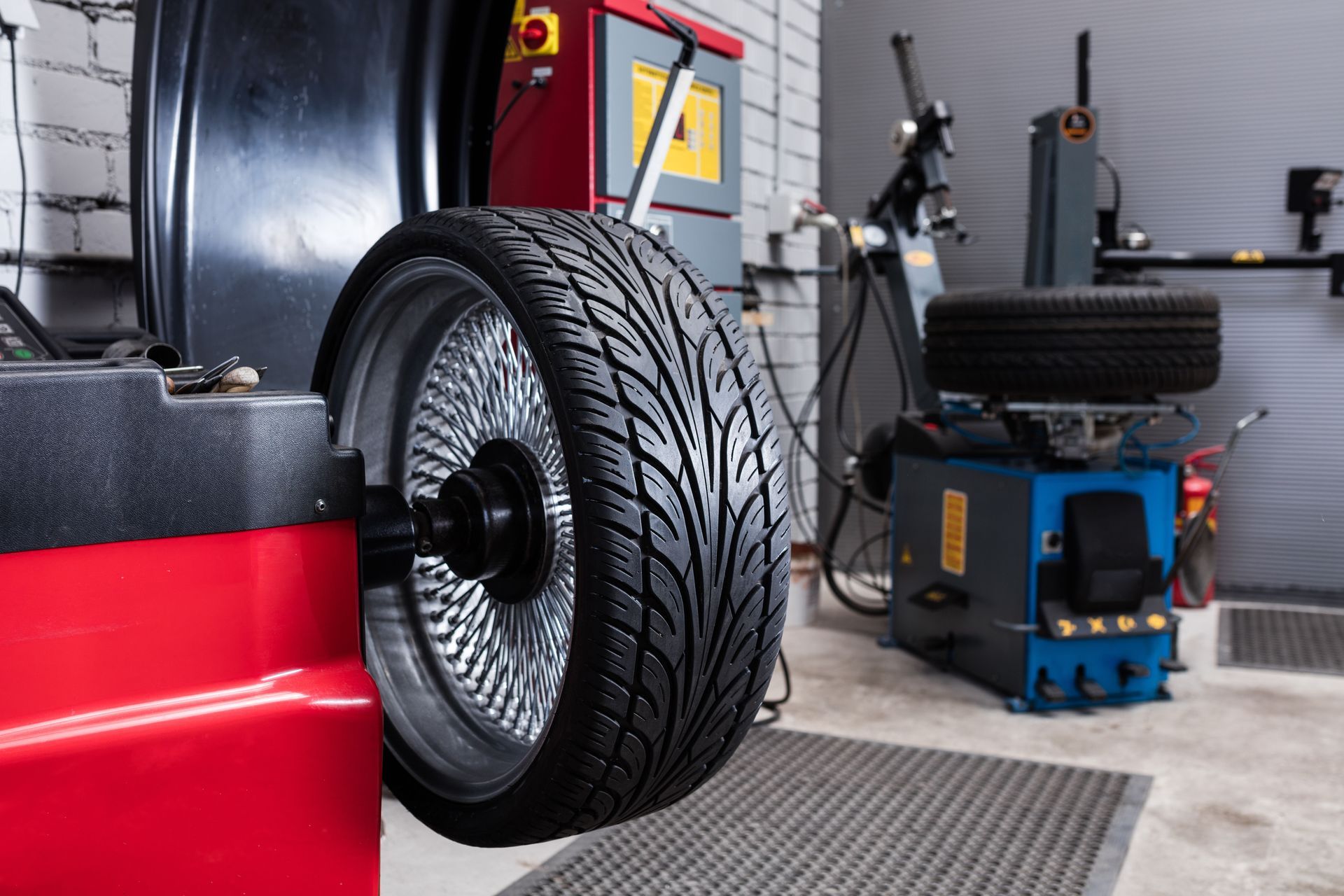
Some suppliers offer additional benefits, including tire customization and specialized installation services, which can optimize performance for unique vehicle types or industry applications. Delivery and professional mounting services reduce downtime and ensure tires are installed correctly. Building strong partnerships with suppliers simplifies commercial tire replacement, reduces risk, and supports smoother daily operations. For fleets operating in remote or high-demand locations, having a trusted supplier network is a strategic advantage.
Implement a Long-Term Tire Management Strategy
A structured tire management program helps businesses plan commercial tire replacement and avoid unplanned disruptions. Regular inspection schedules identify potential issues early, preventing costly failures and downtime. Training maintenance staff and drivers to recognize tire issues ensures that problems are addressed quickly, reducing the likelihood of larger fleet-wide impacts. Documentation and tracking of tire performance, wear, and replacement history provide insight into trends and optimize future replacement schedules.
Technology further enhances tire management. Tire pressure monitoring systems, GPS-linked performance tracking, and predictive maintenance software give real-time insight into tire health. Businesses can identify patterns in wear or performance and adjust schedules accordingly, extending tire life and improving fleet efficiency. A proactive management approach turns commercial tire replacement into a predictable, data-driven process that reduces risk, controls costs, and improves operational reliability across the entire fleet.
Commercial tire replacement is essential for maintaining safe, efficient, and reliable vehicles. By focusing on consistent maintenance, monitoring for warning signs, selecting the right tires, budgeting effectively, working with reliable suppliers, and implementing a long-term management strategy, businesses can reduce downtime, minimize costs, and ensure fleet safety. A proactive approach makes tire replacement a controlled, planned activity rather than a disruptive emergency.
For companies looking to optimize fleet performance and ensure reliable service, professional guidance is key. For expert advice, dependable products, and professional service tailored to your fleet’s needs, contact D H Tire, Inc today and take the next step toward smarter, safer commercial tire replacement.