February 19, 2026
Tires are one of the most critical components of your vehicle, yet many drivers rely on misconceptions when it comes to maintenance, performance, and replacement. Misunderstanding the facts about tires can lead to costly repairs, reduced efficiency, or even safety risks. This guide debunks common tire myths to help you make smarter, safer decisions on the road.
1. Believing Tires Last Forever
A widespread misconception is that tires can last indefinitely if they “look fine.” In reality, tires degrade over time due to factors like heat, UV exposure, and general wear. Even if tread depth seems sufficient, aging rubber can lose flexibility, leading to cracks and reduced performance.
According to AAA, tires are the only thing keeping your vehicle connected to the road. Tires that are worn past 4/32” will need additional stopping room, especially in wet conditions, and could put you at unnecessary risk for a crash. Relying on appearance alone can give drivers a false sense of security and delay necessary tire replacement.
2. Assuming All Tires Are the Same
Not all tires are created equal, and using the wrong type for your vehicle or climate can reduce performance. Winter tires, summer tires, and all-season tires are engineered differently to optimize traction and handling. Selecting tires based solely on price or availability ignores these important distinctions.
3. Thinking Tire Pressure Isn’t Critical
Many drivers underestimate the importance of maintaining proper tire pressure. Underinflated tires increase rolling resistance, which reduces fuel economy and accelerates tread wear. Overinflated tires, on the other hand, can lead to uneven wear and decreased traction.
Regularly checking and adjusting tire pressure can improve performance, enhance safety, and extend the life of your tires. Using the manufacturer-recommended pressure, typically found in the owner’s manual or driver-side door jamb, is crucial. Neglecting tire pressure often results in reduced efficiency and higher long-term costs.
4. Believing You Only Need to Rotate Tires When They Look Worn
Some drivers wait until noticeable wear appears before rotating their tires. However, consistent rotation helps maintain even tread wear across all tires. This can prevent premature replacement and uneven handling.
Most manufacturers recommend rotating tires every 5,000 to 8,000 miles. Regular rotation, along with alignment checks, keeps tires wearing evenly and maximizes their lifespan. Skipping this simple maintenance step can lead to early replacement and additional expenses.
5. Assuming Wheel Alignment Doesn’t Affect Tires
Many people overlook the connection between wheel alignment and tire health. Misaligned wheels can cause uneven tread wear, steering issues, and vibration. Poor alignment also reduces handling precision, which can be dangerous in emergency situations.
Correcting alignment ensures tires wear evenly, extends their life, and maintains vehicle performance. Ignoring alignment problems leads to costly tire replacements and can compromise safety, particularly on wet or slippery roads. Professional alignment checks are a small investment compared to the potential costs of worn tires.
6. Believing Tire Tread Depth Isn’t Important
Some drivers think as long as the tires look functional, tread depth doesn’t matter. However, shallow tread reduces traction, especially on wet surfaces, and increases stopping distances. Worn tires can also be more susceptible to hydroplaning during rain.
Measuring tread depth regularly ensures that tires provide sufficient grip and maintain safety. Tires worn past 4/32” will need additional stopping room, especially in wet conditions, and could put you at unnecessary risk for a crash. Maintaining proper tread depth is a critical part of tire maintenance and accident prevention.
7. Assuming High Mileage Means You Don’t Need New Tires
Many drivers assume that tires can last as long as the mileage rating suggests. However, mileage estimates are based on ideal conditions, and real-world driving often accelerates wear. Road conditions, load, and driving style can all impact tire longevity.
Checking tires periodically and replacing them when signs of wear or age appear ensures safety and performance. Waiting too long can increase the risk of blowouts, decreased handling, and higher repair costs. Understanding that mileage is only a guideline prevents unexpected tire failures.
8. Believing You Can Ignore Seasonal Changes
Some drivers treat all-season tires as a universal solution, regardless of climate. While all-season tires are versatile, they cannot provide optimal performance in extreme winter or summer conditions. Snow, ice, and heat can reduce traction and handling when tires aren’t designed for the environment.
Investing in the right seasonal tires improves safety, efficiency, and durability. Ignoring seasonal requirements can lead to accidents, faster wear, and additional costs. Using tires appropriate for your climate ensures better control and longevity.
9. Thinking Expensive Tires Always Mean Better Quality
Price does not always equate to performance. While high-end tires can offer advanced technology and features, many mid-range brands provide excellent durability, safety, and comfort. Choosing tires based on price alone can result in overspending without proportional benefit.
Evaluating tires based on reviews, specifications, and manufacturer recommendations is more effective than assuming cost equals quality. Professional advice ensures you select tires that balance price, performance, and longevity. This approach helps avoid unnecessary expenses while maintaining safety and reliability.
10. Assuming DIY Repairs Are Sufficient
Some drivers attempt to repair damaged tires themselves without proper tools or knowledge. While temporary fixes may work for minor punctures, improper repair can compromise tire integrity. Mismanaged repairs can lead to blowouts or uneven wear, costing more in the long run.
Professional tire services ensure that repairs are safe, effective, and compliant with manufacturer standards. Investing in professional service protects both your tires and your vehicle. Doing it yourself may save money initially, but unsafe or incomplete repairs can result in costly consequences.
11. Believing Tread Patterns Don’t Matter
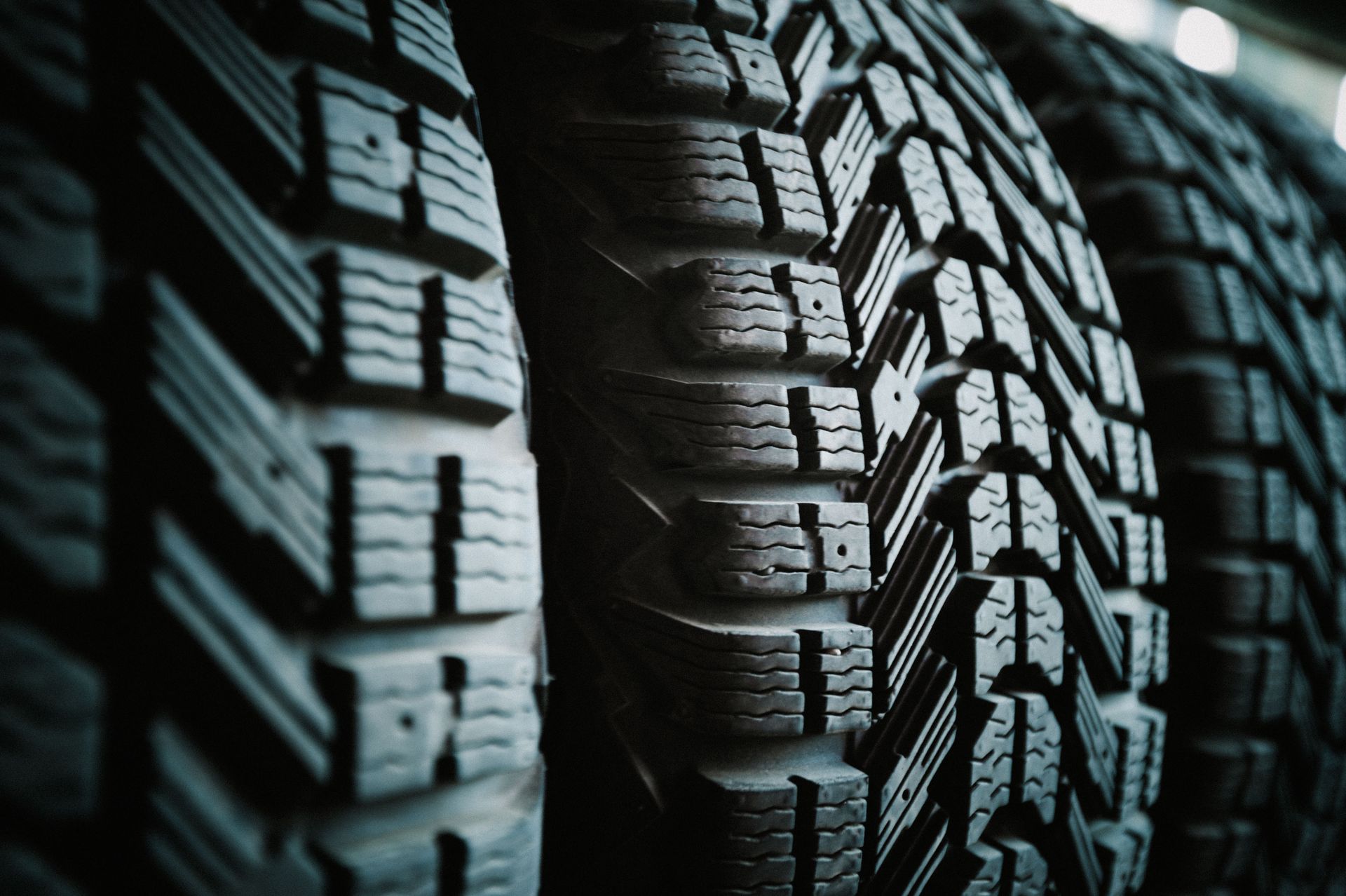
Many people overlook the importance of tire tread patterns in performance. Symmetrical, asymmetrical, and directional tread designs are engineered for specific handling, traction, and noise reduction characteristics. Choosing the wrong tread for your driving conditions can affect safety and efficiency.
Selecting tires with the appropriate tread pattern enhances traction, improves water evacuation, and supports optimal handling. An informed choice prevents uneven wear and maintains performance across various driving conditions. Paying attention to tread patterns ensures your tires function as intended.
12. Thinking Tire Age Doesn’t Affect Safety
Some drivers assume that tires remain safe regardless of age if the tread appears sufficient. Rubber deteriorates over time due to oxidation, UV exposure, and heat. Even rarely used tires can become brittle and prone to failure.
Replacing tires based on age recommendations, typically every six to ten years, prevents unexpected blowouts and maintains handling performance. Tire aging is a silent risk that many people underestimate, making it essential to track the manufacture dates and follow safety guidelines.
13. Understanding the Importance of Proper Tire Storage
Improper tire storage can accelerate deterioration and reduce lifespan. Tires exposed to sunlight, heat, or chemicals may dry out, crack, or warp. Rotating storage locations and using tire covers can protect them during off-seasons.
Properly stored tires retain flexibility, performance, and safety. Neglecting storage practices may result in premature wear or compromised integrity, leading to unnecessary replacement costs. Good storage habits complement regular maintenance for longer-lasting tires.
Understanding and debunking common tire myths is essential for safety, performance, and cost-efficiency. Tires that are properly selected, maintained, and replaced protect your vehicle and prevent unnecessary expenses. By staying informed and proactive, drivers can maximize the lifespan of their tires while keeping themselves and others safe. If you are looking for a reliable tire company, contact D H Tire, Inc today to learn more and get started!