November 2, 2026
For most drivers, few automotive issues feel as persistent or frustrating as recurring flat tires and slow leaks. Not only do these constant pressure drops disrupt daily commutes and trigger unexpected repair bills, but they also compromise overall vehicular safety. Gaining an understanding of the mechanical and environmental triggers behind repeated deflation allows motorists to take proactive steps to protect their equipment and extend tire longevity.
Navigate Damaged Roads and Rough Surfaces
Poor pavement quality remains a prominent culprit behind recurring pressure loss and unexpected blowouts. Navigating deep potholes, hitting jagged surface breaks, and rolling over scattered roadway debris place intense stress on internal tire structures. Deep potholes are particularly hazardous because the sharp impact can pinch rubber against the wheel rim, producing sidewall bulges or subtle bead leaks that allow pressurized air to escape. Furthermore, loose gravel or sharp stones can work their way into the grooves of the tread, gradually boring pathways that eventually develop into frustrating slow leaks.
Driving across rural routes or unpaved terrain presents another persistent challenge for standard passenger tires. Rough, unpaved surfaces generate elevated friction and irregular abrasion, accelerating tread wear and leaving the tire casing far more vulnerable to punctures. Active construction zones also introduce elevated hazards, forcing motorists to drive across uneven steel plates, temporary asphalt transitions, and scattered industrial hardware. Drivers who navigate through these zones must exercise heightened caution, because even a minor impact can weaken structural belts inside the tire. Making a habit of steering clear of degraded roads and known rough patches helps minimize structural fatigue and reduces the odds of continuous pressure drop.
Seasonal weather shifts compound the degradation of driving surfaces by accelerating the formation of dangerous road defects. Freezing and thawing cycles force water deep into pavement cracks, expanding the gaps and breaking apart asphalt to form jagged craters. While motorists cannot control municipal road maintenance or seasonal weather patterns, adapting driving behaviors during harsh conditions significantly mitigates the danger. Slowing down over rough patches and maintaining safe following distances allows extra reaction time to avoid visible craters. Scheduling regular professional tire service ensures that subtle internal damage caused by rough road impacts is caught before it leads to total roadside failure.
Prevent Neglect Through Consistent Inflation and Rotation
Consistent tire care is fundamental to warding off stubborn slow leaks and early tire degradation. Operating a vehicle with incorrect air pressure remains one of the most widespread oversights among everyday drivers. Under-inflated tires flex excessively across the shoulders, generating intense internal heat that weakens internal plies and dramatically increases the likelihood of a high-speed blowout. Conversely, over-inflated tires develop rigid contact patches that lack compliance, making the tread far more susceptible to structural damage when encountering minor road obstacles.
According to Cartalk.com, motorists should always verify the optimal inflation levels specified by their vehicle builder on the driver's interior door pillar, where suggested ratings for typical passenger cars generally span between 30 PSI to 40 PSI. Maintaining these specific thresholds guarantees that the tire footprint distributes vehicular weight evenly across the entire contact surface. Utilizing a reliable digital pressure gauge every two weeks eliminates guesswork and identifies microscopic drops before they ruin a morning commute. Routine upkeep, including balancing checks and professional tire service, keeps every wheel rolling at optimal efficiency.
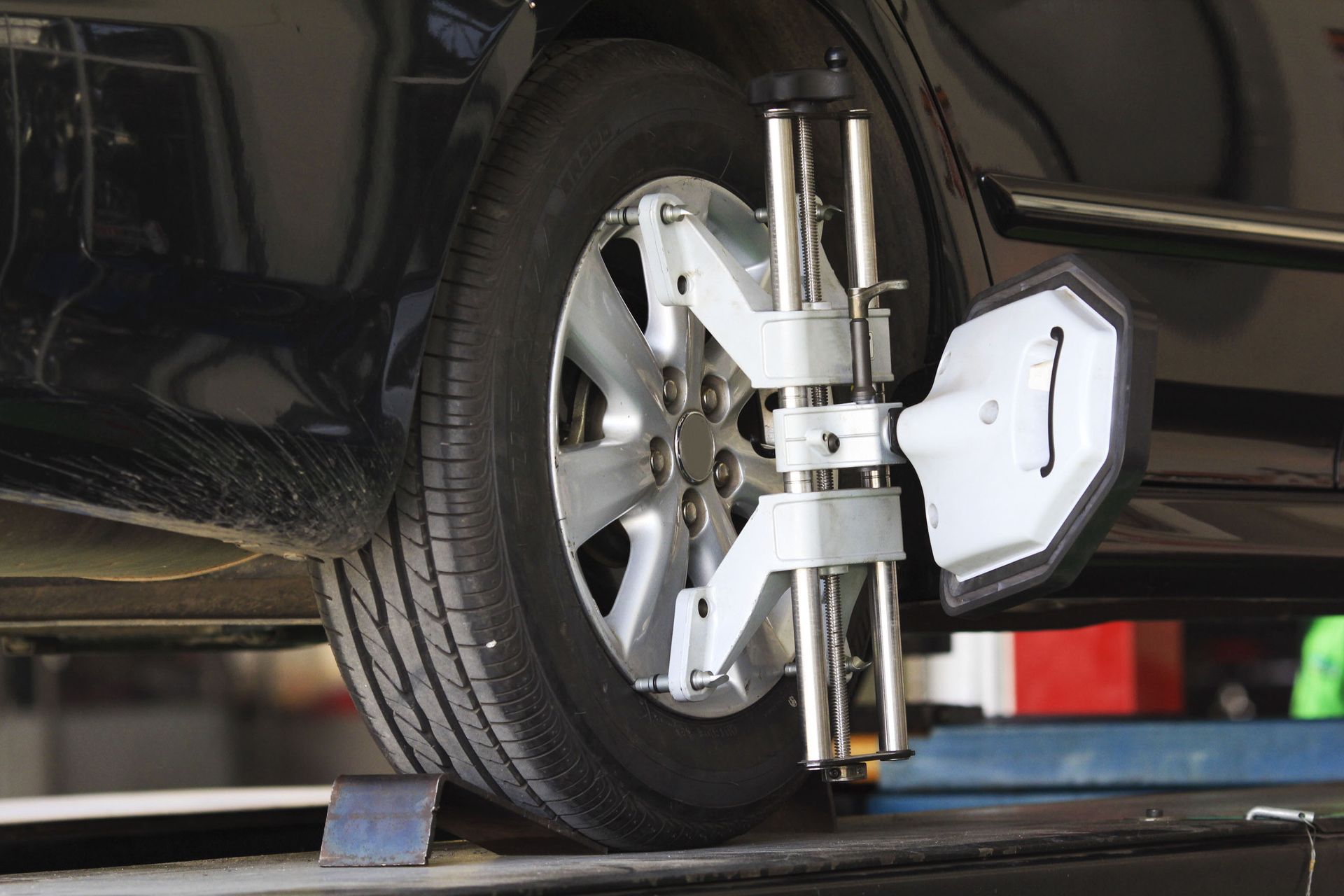
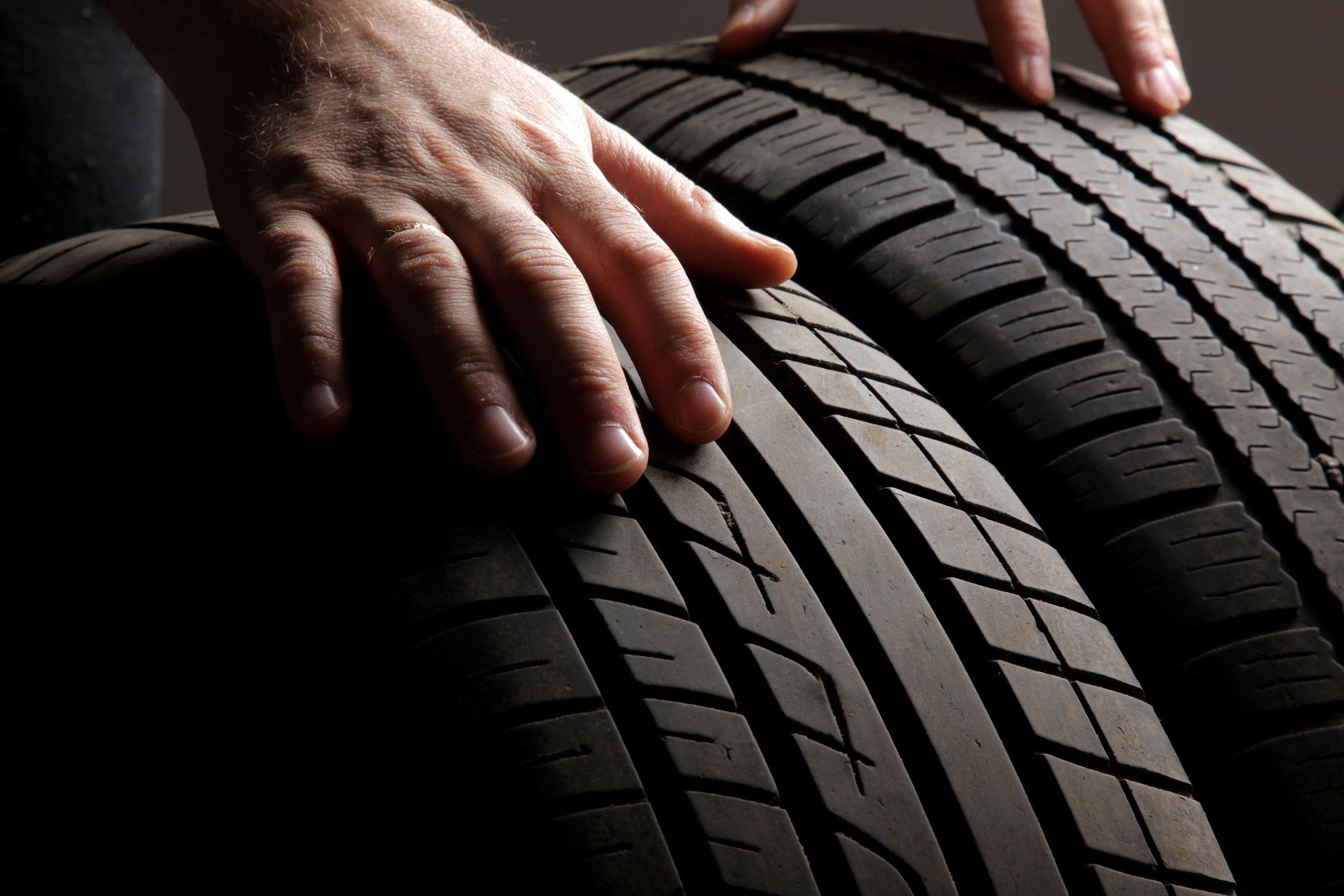
Failing to rotate tires or get expert tire service at prescribed intervals introduces severe vulnerabilities that speed up air leakage. Because front and rear axles carry differing weights and manage divergent steering forces, tires wear unevenly if left in static positions across tens of thousands of miles. This localized wear creates thin spots across the tread pattern, leaving the casing defenseless against small debris that would otherwise bounce harmlessly away. Misaligned suspension geometry compounds these uneven wear patterns, forcing tires to scrub across the highway surface rather than roll cleanly forward. Addressing alignment errors and seeking periodic tire service prevents premature tread loss and safeguards the vehicle against sudden roadside flats.
Identify Manufacturing Flaws and Aged Rubber Compounds
Not all recurring tire problems stem from operational mistakes or roadway debris; manufacturing flaws can also introduce relentless air leaks. Although modern quality-control standards are exceptionally strict, slight casting flaws, microscopic porosity in the inner liner, or inconsistent curing can compromise an individual unit. These microscopic defects allow trapped air to seep through the tire body over time, causing repeated drops in inflation without any visible puncture. Checking safety recall registries and monitoring manufacturer bulletins can quickly determine whether repeated deflation is tied to a factory defect covered under warranty.
Rubber aging represents another critical factor that vehicle owners frequently overlook during routine maintenance checks. Tires undergo gradual chemical deterioration over time, even when a vehicle is driven infrequently and the tread remains virtually unworn. As ambient oxygen, heat cycles, and ozone interact with the rubber matrix, the compounds turn hard, brittle, and susceptible to dry rot cracking. These hairline fissures can penetrate deep into the casing, allowing air to leak steadily through the structural layers of the sidewall. Motorists should inspect the Department of Transportation date code stamped on the sidewall to ensure they never operate tires past their functional lifespan.
Detect Hidden Punctures and Embedded Roadway Debris
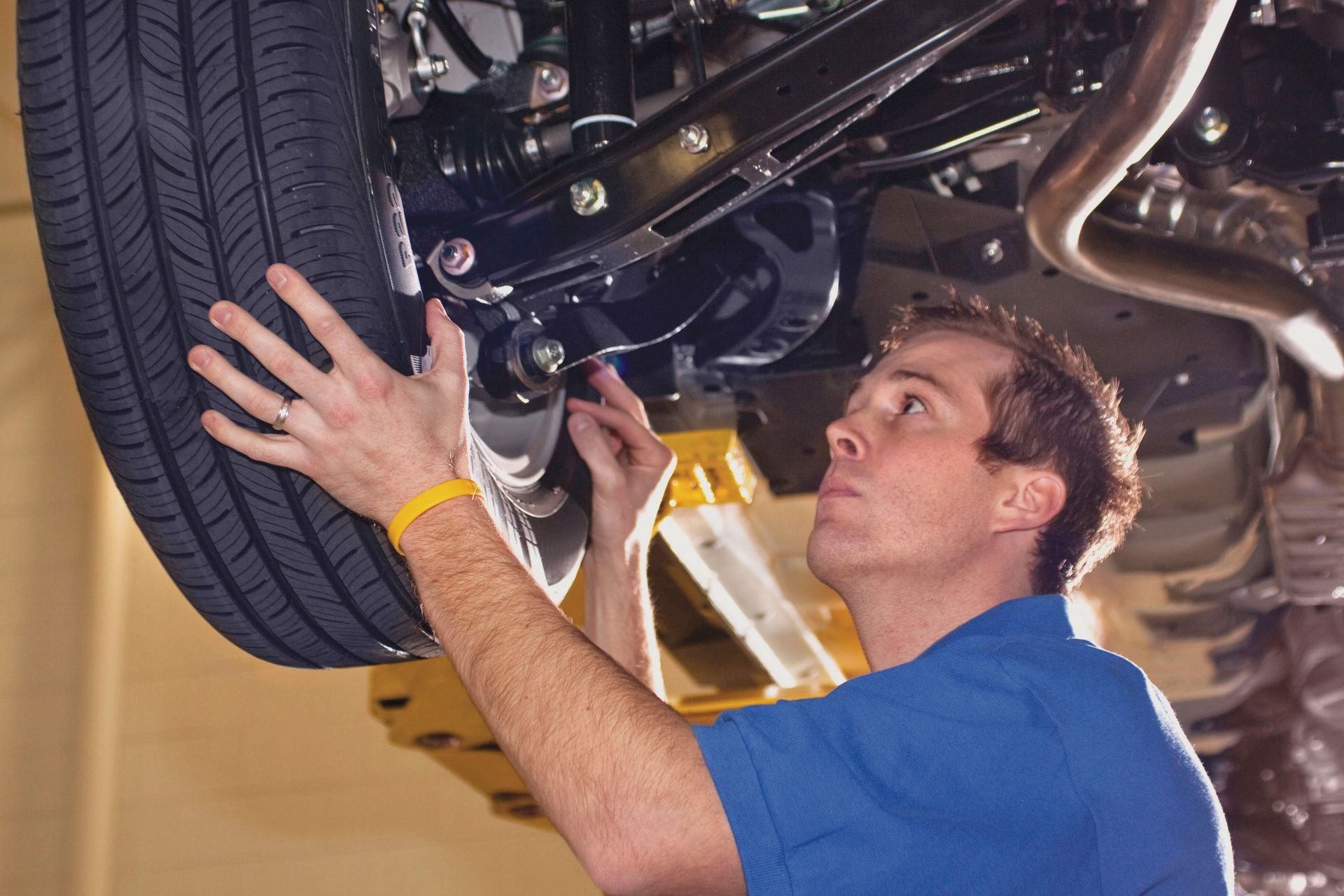
Sharp foreign objects dropped along modern roadways represent the primary source of stubborn slow leaks. Pieces of broken glass, discarded industrial scrap, and fractured hardware scatter across city streets, waiting to pierce rolling rubber. These materials often enter the tire tread cleanly, sealing the entry hole partially and allowing air to bleed out gradually over days or weeks. Because the puncture seals itself while the vehicle is parked, discovering the precise point of leakage can be difficult without immersing the wheel in a testing tank and receiving professional tire service.
Inspect Fragile Valve Stems and Missing Protective Caps
The valve stem assembly serves as the crucial gateway for inflation, yet it remains one of the most neglected components on the entire wheel. Exposure to winter road salt, harsh wheel cleaners, and standing moisture often corrodes metal valve stems, causing the internal Schrader core to seize or leak. Over time, road grime degrades the delicate rubber seal inside the valve core, letting air seep out continuously through the center aperture. Drivers who frequently find themselves refilling a tire without finding tread damage should inspect the valve stem for physical deterioration.
Physical impacts against curbs or debris can also distort the valve stem and create elusive slow leaks. Striking a curb while parallel parking can bend flexible rubber stems, creating a persistent leak where the stem base seals against the metal wheel rim. Furthermore, high-pressure centrifugal forces generated at highway speeds cause flexible stems to bend outward, which can open microscopic tears in aged rubber. Incorporating a complete stem replacement into regular tire service prevents sudden valve stem failure and maintains a hermetic seal. Verifying that valve stems remain straight and crack-free ensures steady pressure mile after mile.
Persistent flat tires and elusive slow leaks are solvable issues when you understand the mechanical, environmental, and maintenance variables at play. Inspecting driving habits, addressing rough roads cautiously, and monitoring baseline inflation against manufacturer ratings keep common hazards at bay. Whenever you need assistance troubleshooting recurring leaks, fixing stubborn punctures, or replacing worn rubber, depend on D H Tire, Inc for tire service that keeps you rolling safely.