October 2, 2026
In contemporary automotive care, tire maintenance is a critical aspect that is often underestimated. Tires are the only point of contact between your vehicle and the road, making their condition imperative to road safety and vehicle performance. Professional tire services provide essential maintenance activities that address common tire-related issues effectively. Neglecting tire care not only endangers the vehicle's occupants but also other road users. The benefits of routine tire assessments extend beyond safety; they enhance the efficiency and longevity of your tires, ensuring optimal performance of your vehicle.
1. Importance of Regular Tire Inspections
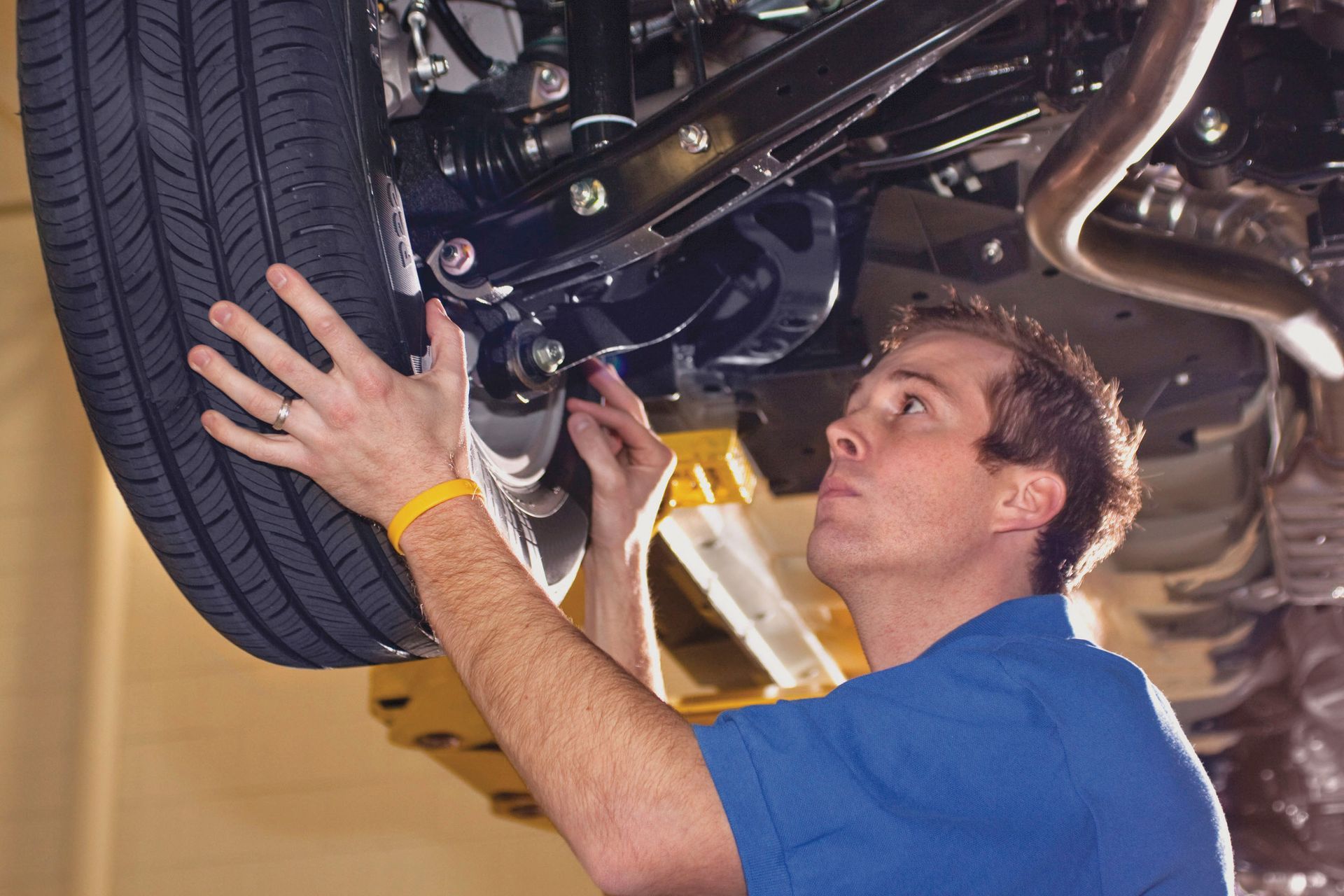
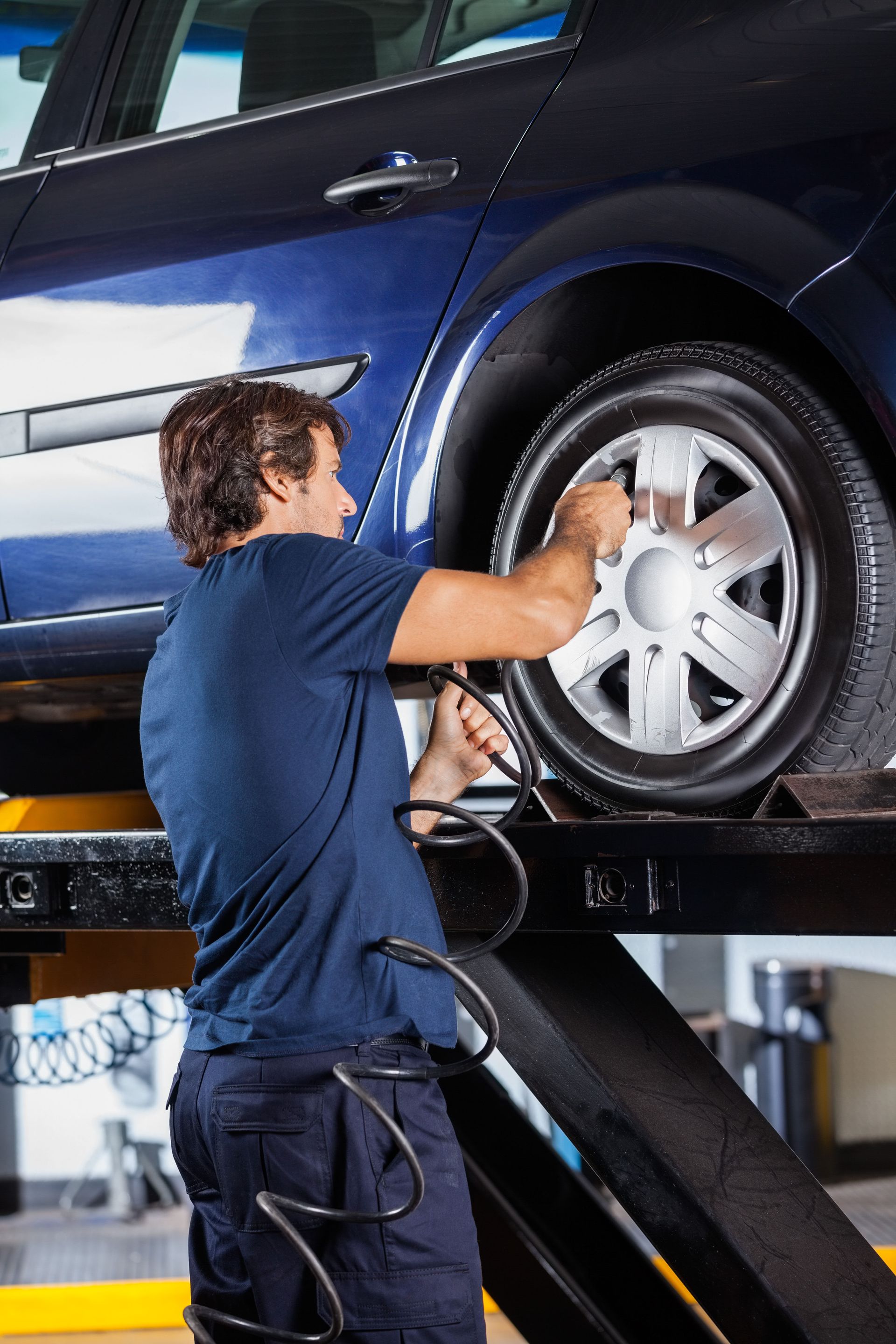
Tire inspections are vital for identifying visible and hidden defects that could lead to hazardous situations if left unchecked. Regular checks are essential to identify uneven wear patterns, cuts, or punctures that can compromise tire integrity. Furthermore, tire services provide the expertise required to ensure proper inflation, a critical factor affecting tire durability and performance. Maintaining correct tire pressure is essential; incorrect pressure can lead to rapid wear, poor handling, and increased fuel consumption. Regular inspections also help in detecting alignment issues, which can otherwise lead to irregular tire wear and affect vehicle handling.
An often overlooked aspect, tread depth measurement, plays a significant role in maintaining road safety. Tires with inadequate tread depth lose traction, posing risks especially in wet conditions where hydroplaning could occur. Services that measure tread depth ensure drivers comply with legal safety standards and maintain acceptable levels of vehicle performance. Professionals engaged in tire services can also spot signs of structural damage, which may not be immediately apparent to the untrained eye. Spotting these problems early, such as bulges or blisters in the tire, can prevent potential blowouts and accidents.
According to the National Transportation Safety Board, each year, about 33,000 tire-related passenger vehicle crashes occur, underscoring the critical importance of regular tire inspections. Tire services offer skilled evaluations that mitigate the risks associated with worn-out tires. They also provide necessary repairs and recommendations for replacement when required. Professionals equipped with specialized knowledge and diagnostic tools conduct thorough examinations that non-professionals might overlook. Thus, regular tire inspections form the backbone of tire-related problem prevention strategies, ensuring driver safety and enhancing tire life.
2. Tire Rotation and Its Benefits
Tire rotation is a routine maintenance procedure that distributes tire wear more evenly across all tires. This process significantly extends the lifespan of each tire by ensuring they wear uniformly rather than unevenly in specific spots. By regularly rotating tires, you help to maintain balanced traction and handling, ultimately enhancing vehicle performance and safety. The process typically involves moving the rear tires to the front and shifting the front tires to the rear, sometimes in different positions. This method of systematic repositioning can prevent one pair from wearing out faster than the others.
Regular tire rotation contributes directly to the improvement of vehicle performance. When tires wear evenly, drivers can enjoy better vehicle handling and safer driving conditions. Uneven wear can lead to inconsistent traction, impacting the car's stability, especially during quick maneuvers or in adverse weather. Scheduling routine tire rotations based on vehicle manufacturer's recommendations or after a set mileage can maintain optimal tire functionality. These practices not only enhance the driving experience but are also crucial for extending tire life and maintaining vehicle safety.
Aside from the scheduled intervals, there are other indicators that signals the need for tire rotation services. Observing uneven wear patterns, such as feathering or cupping, on the tires should prompt immediate rotation. Furthermore, tire rotation also plays a role in fuel efficiency. Balanced tires mean less resistance during driving, translating into better fuel economy, which can save money over time. Thus, tire rotation is a cost-effective strategy for those looking to optimize their tire investment and overall vehicle operational costs.
3. The Role of Balancing in Tire Health
Tire balancing is an instrumental process that ensures the weight of the tire and wheel is evenly distributed around the axle. Over time, tires lose their balance, leading to vibrations that can be felt in the steering wheel, floorboard, or seat. The principles of tire balancing rest on rectifying these weight discrepancies, often caused by minor imperfections in tire and wheel weight distribution. Unbalanced tires often result in excessive wear, reduced tire lifespan, and compromised vehicle performance. Timely balancing eliminates these threats, ensuring a smooth and safe driving experience.
Symptoms that may indicate the need for tire balancing include noticeable vibrations, uneven tread wear, and unusual noises while driving. A persistent vibration in the steering wheel or seat is a common sign that the tires are due for balancing. The wear patterns of imbalanced tires often display flat spots or patches of worn tread. By addressing these issues early through balancing, drivers can prevent further tire degradation and costly repairs. In addition to comfort, balancing contributes to vehicle longevity by reducing stress on suspension components and other vehicle systems.
Modern tire service centers employ advanced balancing techniques and tools to achieve precise balance. Utilizing dynamic balancing machines and computerized diagnostic systems, technicians can pinpoint and correct imbalance issues with high accuracy. The frequency of needing balancing services depends on factors such as driving habits, road conditions, and vehicle type. Generally, it's advisable to include tire balancing in regular maintenance schedules, particularly when rotating tires or after incidents impacting tire alignment. Such diligent care ensures that the tires and the vehicle as a whole function at their best.
4. The Necessity of Proper Alignment
Tire alignment, often referred to as wheel alignment, is a critical procedure for maintaining vehicle safety and performance. This process involves adjusting the angles of the wheels to ensure that they are perpendicular to the ground and parallel to each other. When alignment is accurate, tire wear is minimized, and vehicle handling improves significantly. Misalignment, on the other hand, can lead to uneven tire wear, increased fuel consumption, and compromised safety. Therefore, regular alignment checks are essential to ensure that a vehicle operates efficiently and safely.
There are several indicators that suggest when a vehicle may need an alignment adjustment. A common sign is if the vehicle pulls to one side when driving on a straight path. Uneven tire wear or a vibrating steering wheel can also be symptomatic of alignment issues. Regular alignment checks help in detecting these problems early and prevent unnecessary wear or potential accidents. Effective alignment contributes to extending tire lifespan and reduces the overall running costs by avoiding premature tire replacements. Moreover, proper alignment improves ride comfort, enhancing driving pleasure.
Proper alignment not only affects tire wear but also impacts fuel economy. When tires are aligned correctly, the vehicle operates with minimal rolling resistance, leading to better fuel efficiency. Misaligned tires, however, tend to drag, requiring more energy to move the vehicle, which in turn consumes more fuel. Given the complexities involved in achieving optimal alignment, professional alignment services are recommended. Certified technicians use precision tools and adhere to manufacturer specifications to ensure accurate alignment, delivering long-term benefits for vehicle performance and safety.
Consistent engagement with professional tire services is essential for preventing tire-related problems and ensuring vehicle safety. Regular tire inspections, rotations, balancing, and alignment checks significantly reduce the likelihood of unexpected tire failures. These services not only prolong the lifespan of tires but also improve vehicle performance, safety, and fuel efficiency. As emphasized by the frequency of tire-related crashes, proactive maintenance is crucial. Encouraging routine checks and relying on professional services helps maintain optimal tire conditions, securing peace of mind on the road. If you're looking for expert
tire services, reach out to D H Tire, Inc today!