May 1, 2026
Vehicle safety depends heavily on the condition of your tires. They are the only contact point between your car and the road, meaning every maneuver depends on their health. Accelerating, navigating curves, and braking all rely on the friction provided by the rubber. Many drivers ignore tire wear until a problem occurs, but waiting is a dangerous strategy. Fresh tires restore the mechanical grip and stopping power intended by the manufacturer. By visiting local tire shops regularly, you can verify that your vehicle remains safe for all passengers. Understanding how new rubber enhances performance helps you make informed maintenance decisions and promotes long-term road safety.
Evaluating the Role of Tread Depth
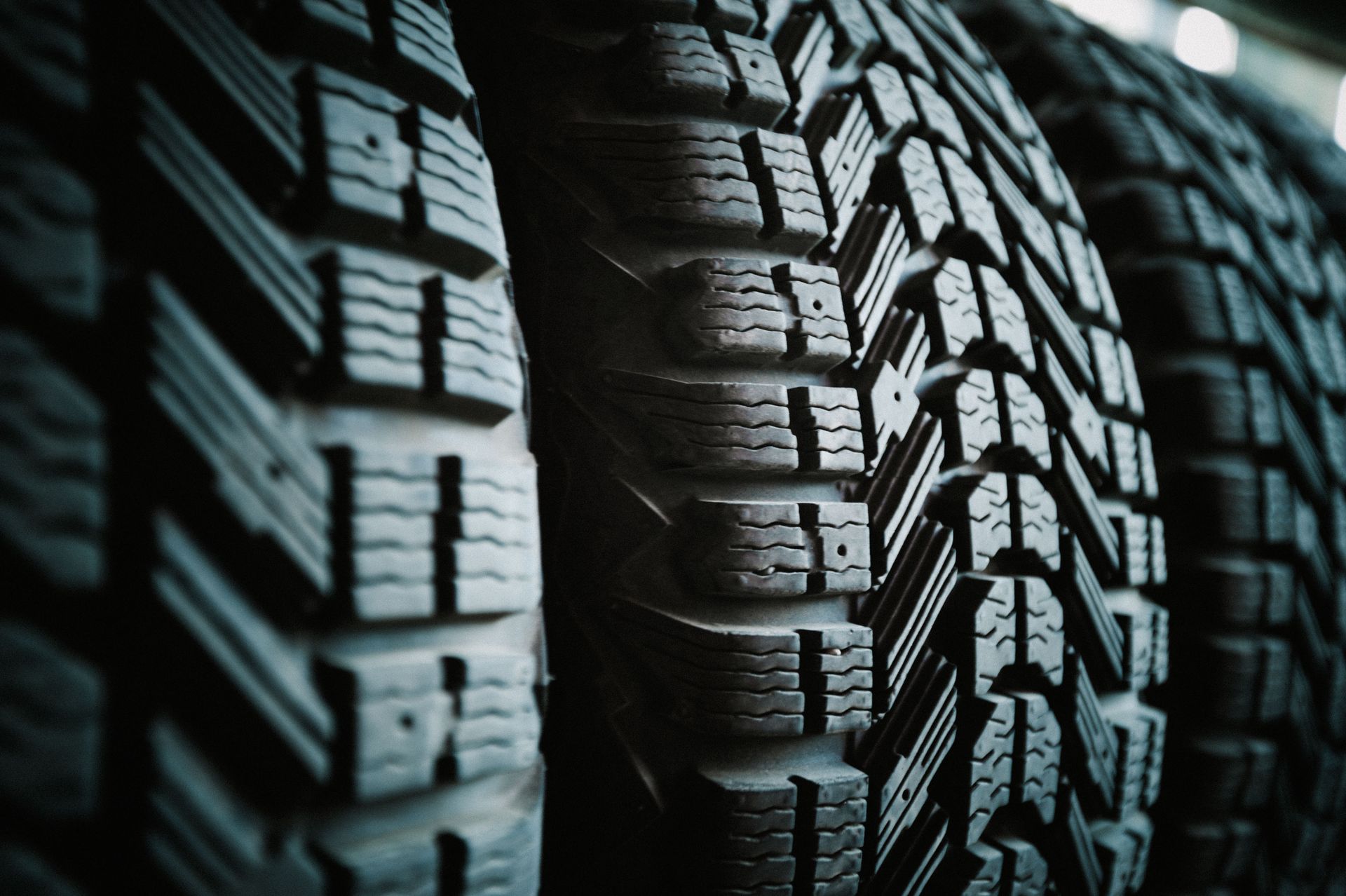
A new tire features deep tread designed to evacuate water, slush, and mud. When fresh, these channels push away liquid to keep the rubber in direct contact with the pavement. This prevents the car from floating on a layer of fluid, which maintains stability. As you drive, friction wears the rubber down, making these channels shallower. Shallower grooves increase the risk of hydroplaning, where the tire loses contact and slides. Maintaining deep tread is your best defense against losing control during rain or winter weather.
Tread depth also dictates legal safety and prevents dangerous blowouts. According to Gitnux, legally, tires are considered spent once the tread depth hits 2/32 of an inch, a condition that greatly increases the likelihood of a blowout. At this stage, the tire cannot effectively channel water, and the structure becomes vulnerable to heat. Experts at tire shops advise against waiting for this legal limit to be reached. Replacing tires at 4/32 of an inch provides a safety buffer for shorter braking distances. Deep tread allows the tire to bite into soft surfaces, providing the momentum needed to stay moving safely.
Understanding Rubber Compound Flexibility
The chemistry of the rubber compound is what provides essential road grip. New tires use pliable rubber designed to stay soft under high stress. This flexibility allows the tire to conform to microscopic road irregularities. Over time, exposure to heat and sunlight causes the rubber to harden and become brittle. This oxidation happens even if the car is not driven frequently. When you get a fresh set from tire shops, the rubber is at its peak state for creating the friction required for safe driving.
Flexibility is vital during the braking process when weight shifts forward. Fresh rubber handles this deformation without sliding, allowing the vehicle to scrub off speed efficiently. Hardened rubber lacks this ability, often skipping across the surface and increasing stopping distance. This can trigger the anti-lock braking system prematurely, complicating emergency stops. By making certain the rubber is fresh, you give your car the best chance to stop exactly where you want. Modern compounds balance this softness with longevity to provide peak performance throughout the life of the tire.
Enhancing Traction on Wet Surfaces
Wet roads present a significant challenge for even the most experienced drivers. New tires feature siping, which are tiny slits in the tread blocks that act like squeegees. These slits wipe the road dry just before the tread makes contact. This action is vital for maintaining traction on slippery ground. As tires wear, sipes disappear, leaving the tire to act like a slick racing tire. Most tire shops emphasize that wet-weather performance is the first thing to decline as rubber ages. Investing in new tires restores this effect and keeps the vehicle stable during downpours.
New tires also use silica-based compounds with a chemical affinity for wet pavement. These materials stay tacky even when a film of water covers the road. This chemical grip prevents wheels from spinning during acceleration from a stop. Without this grip, traction control systems must constantly intervene, which can make merging into traffic difficult. New tires provide a predictable level of grip that reduces the stress of driving in bad weather. Knowing your tires can handle a slick patch allows you to focus on the traffic around you rather than potential slides.
Optimizing Braking Distance Efficiency
The most critical safety metric is how quickly a tire brings a vehicle to a stop. Testing shows that new tires stop significantly faster than worn ones at highway speeds. In an emergency, a few feet of stopping distance can prevent a major accident. New tires maximize the friction coefficient, allowing the braking system to work at full potential. When the rubber is in good condition, kinetic energy converts to heat through the brakes and tires effectively. This efficiency is why safety-conscious drivers make regular trips to tire shops to monitor their wear levels.
Consistency is also part of braking efficiency and vehicle balance. New tires have a uniform shape and even rubber distribution across the contact patch. Older tires may develop flat spots or uneven wear due to alignment issues. These imperfections mean only a portion of the tire works to stop the car at any moment. Uneven contact can cause the car to pull to one side or vibrate during hard braking. A fresh, balanced set provides a consistent surface for the road to grab. This uniformity guarantees the car responds in a linear fashion, which is essential for safety in high-traffic areas.
Maximizing Cornering and Stability
Traction involves maintaining your intended line through every turn and curve. When turning, tires must resist lateral forces trying to push the car outward. New tires have strong sidewalls and sharp tread edges that provide lateral stability. This makes the car feel planted and responsive to steering inputs. Older tires have rounded tread edges and lose structural stiffness in the sidewalls. This leads to a mushy steering feel where the car hesitates before turning. This lack of responsiveness is dangerous during sudden lane changes or evasive maneuvers.
Stability also relates to how a tire handles vehicle weight during a turn. A new tire maintains its footprint even when pushed from the side, keeping maximum rubber on the road. Worn or hardened rubber causes tread blocks to roll over, reducing available grip. This can lead to understeer, where the car continues to move straight despite the wheels being turned. By visiting professional tire shops, you can find tires optimized for your specific vehicle. Restoring precise steering feel makes the car safer and much more enjoyable to drive on winding roads or city streets.
Reducing Hydroplaning Risks Effectively
Hydroplaning occurs when water on the road is deeper than the tread can handle. This creates a wedge of water that lifts the tire off the pavement, removing steering control. New tires are the best defense because deep grooves eject water away at high speeds. These channels act like a plumbing system to keep the contact patch dry.
Tread patterns also play a role in breaking the surface tension of standing water. New tires feature directional or asymmetrical patterns optimized for cutting through water and directing it outward. As the tread wears, these patterns lose their definition and ability to pierce the water layer. This is why replacing tires before they become bald is so important for driver safety. Many rain-related accidents result from inadequate tread depth. By visiting tire shops for timely replacements, you lower the risk of losing control. Safety is about preparation, and the right tires are the ultimate form of readiness.
The state of your tires is the foundation for all vehicle safety systems. Without the traction provided by new rubber, stability control, and anti-lock brakes cannot perform their jobs. We have explored how tread depth prevents hydroplaning, how flexible compounds create friction, and how new tires reduce stopping distances. While tempting to wait, the cost of a traction failure far outweighs the price of replacement. Monitoring your tires and replacing them before they become dangerous is vital for every driver. If you notice a decrease in performance or have concerns about tread depth, seek professional help at experienced tire shops. For all your tire needs and to provide confidence that your vehicle is as safe as possible, contact D H Tire, Inc.