April 3, 2026
Buying new tires may seem straightforward at first, but the decision involves more than choosing a set that fits your vehicle. Tires affect how your car handles, how smoothly it rides, how well it breaks, and how safely it performs in wet, dry, hot, and cold conditions. Because they are the only part of the vehicle that makes direct contact with the road, they play a major role in everyday driving confidence. When the time comes to replace them, drivers benefit from understanding what different tires are designed to do and how those differences affect performance, longevity, and value. Choosing the right tire service can also help drivers make more informed decisions and maintain better performance over time.
A thoughtful purchase can make a noticeable difference in comfort, traction, and maintenance costs over time. It can also help you avoid buying tires that look acceptable on paper but are not well-suited to your driving habits or local road conditions. According to Gitnux, tires that are underinflated by 25% are three times more likely to be involved in accidents linked to tire-related issues. That fact shows how closely tire condition and overall vehicle safety are connected. Before spending money on a new set, it helps to understand a few key points that can guide a smarter decision and support better tire service over the long term.
Understanding Tire Size and Fit
One of the first things to know before buying new tires is that the correct size matters more than many drivers realize. Tire size affects how the vehicle handles, how accurately the speedometer reads, and how the suspension responds on the road. The combination of numbers and letters printed on the sidewall provides information about width, aspect ratio, construction type, and wheel diameter. Even if two tires look similar at a glance, differences in sizing can affect steering feel, ride quality, and the vehicle’s ability to perform as intended. Buying the wrong size can create problems that go beyond appearance, so matching the manufacturer’s specifications is an important starting point.
Fit also includes load capacity and speed rating, which help determine whether the tire can safely support the demands placed on it. A vehicle used for daily commuting may have different needs than one used for hauling, long-distance highway driving, or frequent travel with passengers and cargo. Drivers who are unsure about what their vehicle requires can benefit from professional guidance before making a final choice. A trusted provider can explain what the original specifications mean and how alternative options may affect the vehicle. This kind of tire service helps drivers move forward with more confidence and reduces the risk of choosing a tire that is not appropriate for the vehicle.
Comparing Tire Types and Tread Designs
Not all tires are built for the same purpose, which is why comparing tire types is such an important part of the buying process. All-season tires are a common choice because they are designed to deliver balanced performance in a variety of conditions, while summer tires focus more on warm-weather handling and wet-road grip. Winter tires are engineered for cold temperatures, slush, and snow, and all-terrain tires are often selected for vehicles that travel on both paved roads and rougher surfaces. Each type has a distinct purpose, and the best option depends on where and how the vehicle is driven throughout the year.
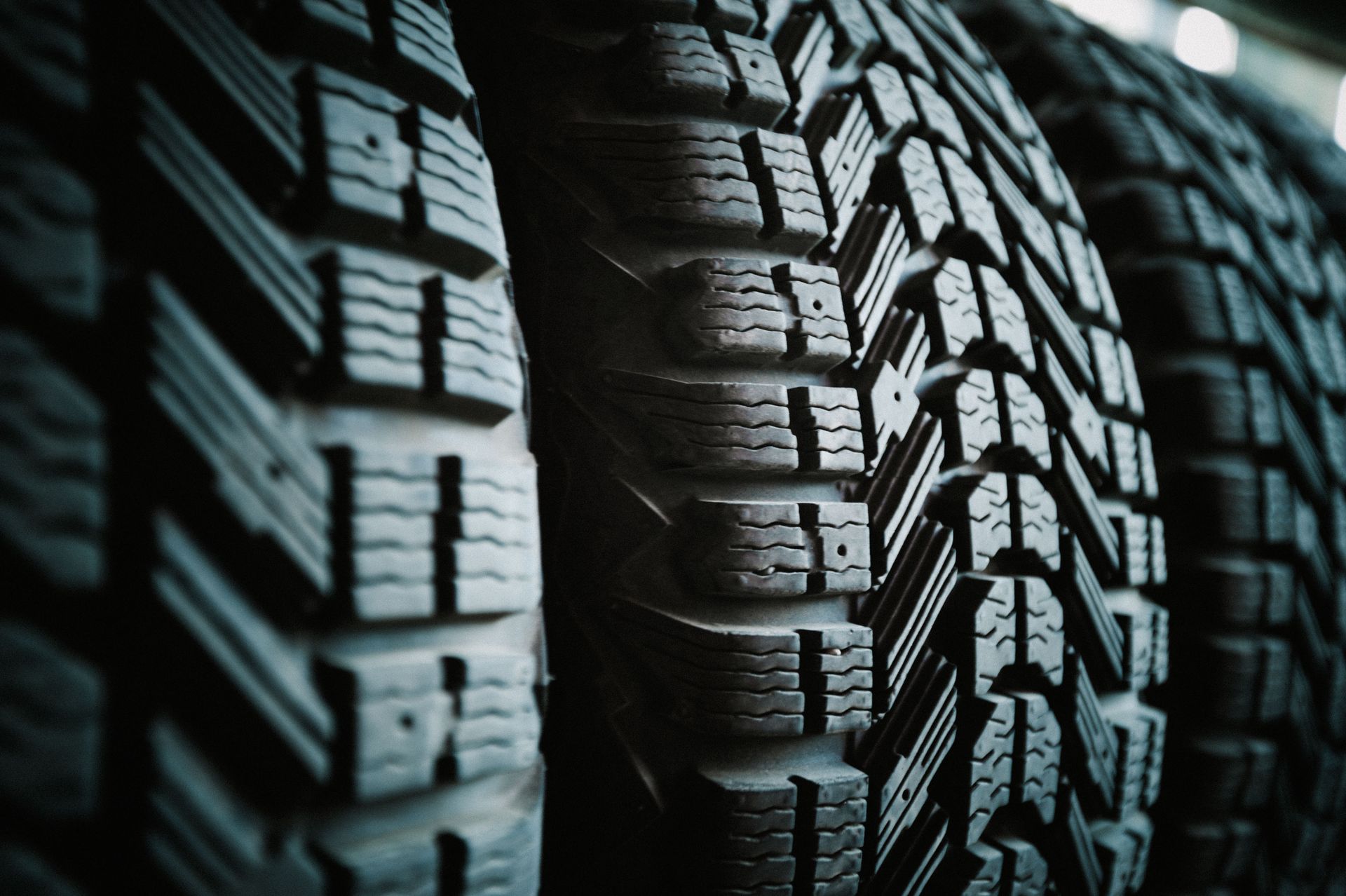
Tread design plays a major role in traction, road noise, water evacuation, and wear patterns. Some tires are designed with deeper grooves and more aggressive tread blocks for added grip, while others prioritize a quieter ride and more even contact with the road. Drivers who focus only on price may overlook how much these details influence daily performance. Looking closely at tire type and tread design helps narrow the field to options that match actual driving needs instead of general assumptions. A knowledgeable shop offering tire service can help explain these differences clearly, making it easier to choose a set that performs well in real-world conditions rather than simply looking good in a brochure.
Evaluating Driving Habits and Road Conditions
The right tire for one driver may be the wrong choice for another, even if they drive the same make and model of vehicle. That is because driving habits play a big role in which tires make the most sense. Someone who spends most of the week on highways may value a quiet ride and long tread life, while another driver who travels short city routes may prioritize responsive braking and steady traction in stop-and-go traffic. Drivers in areas with frequent rain, rough pavement, or changing seasonal temperatures may also need a different tire than someone in a milder climate with smoother roads.
Thinking honestly about your typical routine can help prevent disappointment after installation. If you regularly drive long distances, travel with family, or use your vehicle for work, those habits should influence the buying decision. The same goes for road conditions such as potholes, gravel, construction zones, or steep driveways that place extra stress on tires. A purchase should reflect real use rather than an idealized version of how the vehicle might be driven. Taking these conditions into account can lead to better performance and longer-lasting value. It also gives tire service professionals the information they need to recommend options that are practical for your everyday life.
Balancing Price and Overall Value
Cost is always part of the conversation when buying new tires, but the cheapest option is not always the best value. A lower upfront price may be appealing, yet it can become less attractive if the tires wear down quickly, ride poorly, or do not perform well in the conditions you face most often. At the same time, the most expensive tire is not automatically the right one either. The better question is whether the tire offers the right balance of performance, durability, comfort, and reliability for the amount you are spending. Value comes from how well the tire supports your needs over time, not just what it costs on the day of purchase.
Drivers often make better decisions when they compare total benefit rather than focusing on a single number. For example, a tire with longer tread life, stronger traction, and better ride comfort may justify a higher price if it performs more consistently and lasts longer. Looking at warranty details, expected wear, and day-to-day performance can make it easier to compare options fairly. A professional tire service provider can also explain where paying more may be worthwhile and where it may not make much difference. That kind of guidance can help drivers avoid overspending on features they do not need while still investing in tires that support dependable driving.
Choosing Professional Installation and Support
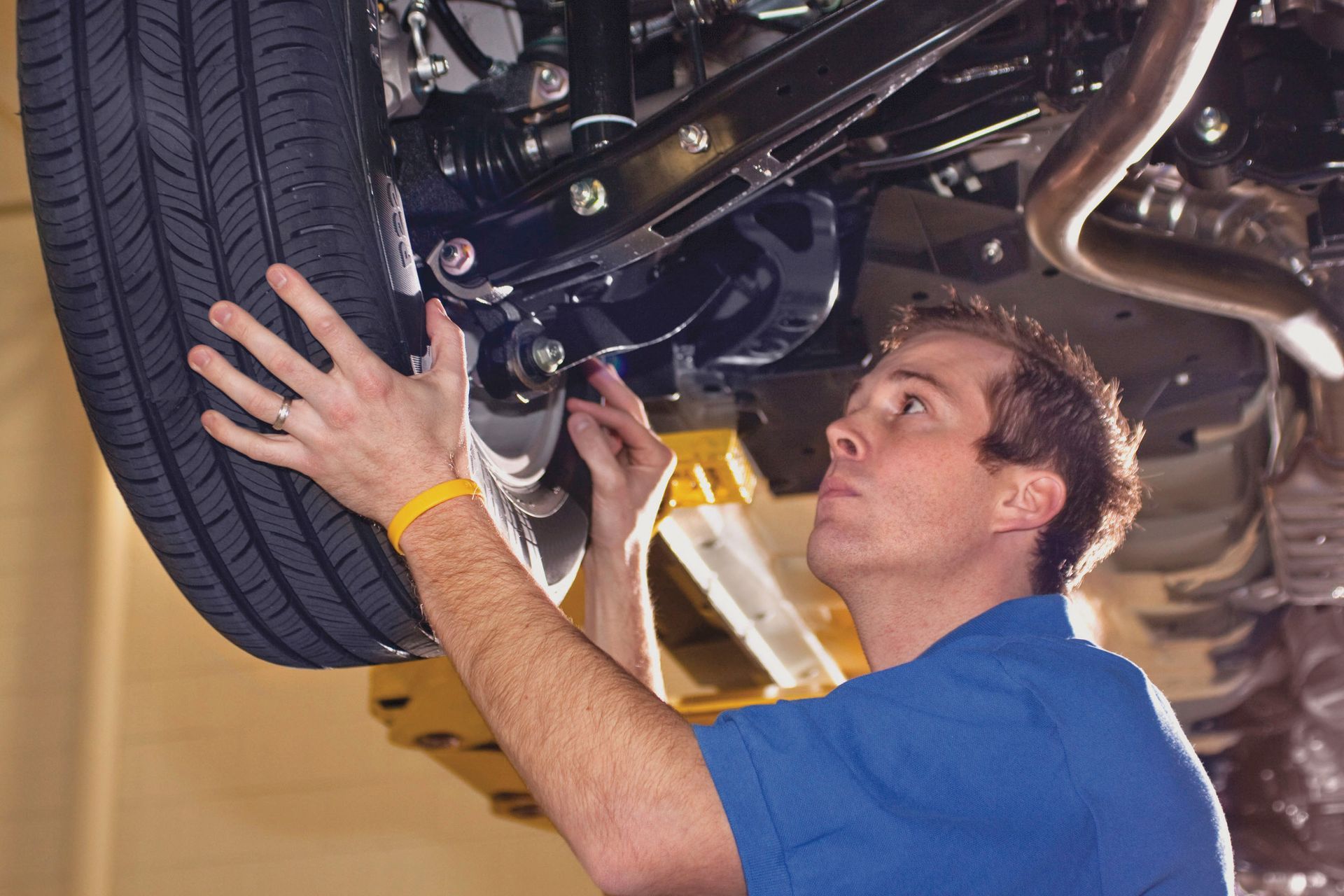
Buying the right tire is only part of the process. Proper installation matters because even a high-quality tire can underperform if it is not mounted, balanced, and inspected correctly. Installation affects how smoothly the vehicle rides, how evenly the tires wear, and how well the steering responds once the work is complete. Drivers should also remember that the condition of surrounding components, such as valves, alignment angles, and wheel balance, can influence how a new set of tires performs after leaving the shop. Professional attention during installation helps reduce the chance of vibration, uneven wear, or other avoidable problems.
Ongoing support after installation can be just as valuable as the purchase itself. Drivers often have questions about rotation timing, tread wear, inflation checks, or how the tires should feel during the break-in period. Having a reliable source for follow-up tire service makes it easier to address these concerns early and keep the tires performing at their best. New tires are an investment in safety, performance, and everyday reliability, so it makes sense to work with a shop that can support the vehicle beyond the initial sale. If you are preparing to replace your tires and want guidance you can trust, contact D H Tire, Inc today.