June 18, 2026
Maintaining heavy-duty vehicles requires constant attention to basic structural components. Rubber compounds meet asphalt under massive weight, creating tremendous friction and heat. Fleet operators must monitor these components to ensure ongoing safety across long distances. Ignoring routine inspections leads to catastrophic failures on busy transit routes. Companies invest substantial financial resources into fleet management to avoid unexpected breakdowns. A reliable commercial tire replacement service forms a core part of this maintenance strategy, keeping vehicles operational and cargo secure.
Identifying initial warning indicators prevents minor mechanical issues from escalating into dangerous situations. Rubber degradation happens over extended periods due to harsh weather exposure, poor road conditions, and heavy cargo loads. Drivers and maintenance crews observe specific physical patterns that indicate imminent component failure. Recognizing these visual and tactile cues allows businesses to schedule maintenance before a dangerous blowout occurs.
1. Observing Uneven Tread Wear
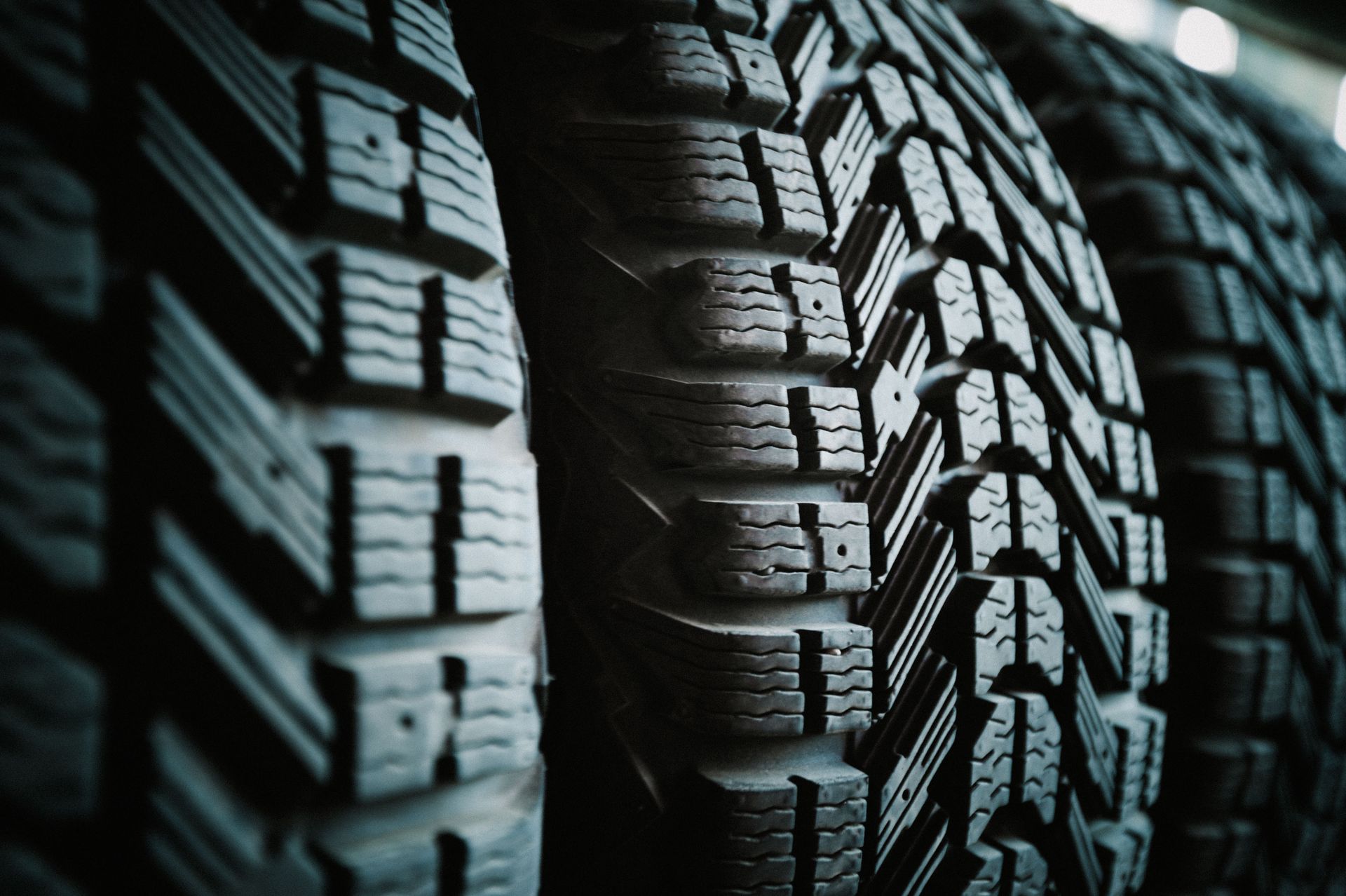
Adequate tread depth provides the necessary grip for heavy trucks to navigate wet or slippery road surfaces with stability. Technicians measure this depth across multiple points to ensure symmetrical reduction. When rubber shows asymmetrical degradation, the vehicle loses traction. Cupping, feathering, or one-sided deterioration points to underlying mechanical problems. Fleet supervisors train personnel to spot these irregularities during pre-trip inspections. Such vigilance keeps hazardous vehicles off public roads.
Mechanical misalignments and compromised suspension components stand as primary culprits behind asymmetrical degradation. If axles sit out of parallel alignment, the rubber drags across the pavement instead of rolling. Worn shock absorbers cause the wheel assembly to bounce, creating scalloped dips along the contact patch. These mechanical faults accelerate the destruction of the synthetic rubber compound. Replacing the rubber without fixing the mechanical fault ensures the same problem returns.
Inflation levels play a massive role in how tread degrades over time. Overinflated units bulge in the center, causing rapid degradation down the middle strip. Underinflated units sag, putting undue pressure on the outer edges. According to NHTSA, a tire's lifespan can increase by up to 4,700 miles if properly inflated. Maintenance crews must maintain exact pressure specifications to maximize the lifespan of each unit and prevent uneven deterioration.
Once asymmetrical degradation becomes profound, the compromised unit becomes a physical liability. Drivers experience reduced handling capabilities and increased stopping distances. Correcting the alignment or adjusting the pressure cannot restore the missing rubber material. At this stage, fleets must contact a commercial tire replacement service to install fresh equipment. Fresh tread restores the required grip, allowing the truck to resume transit operations across challenging delivery routes.
2. Identifying Visible Sidewall Damage
The vertical surface of the wheel assembly flexes with every rotation, absorbing massive impacts from uneven terrain. This constant bending generates heat and stresses the structural integrity of the casing. Scrapes against curbs, debris strikes, and prolonged ultraviolet exposure weaken the outer layers. Inspectors look for deep gouges or missing chunks of material during routine depot checks. Such visual blemishes signal a severe reduction in structural strength.
Weather checking appears as spiderweb-like cracks along the vertical exterior surface. Ozone exposure and harsh sunlight dry out the synthetic compounds over prolonged operational periods. As the material loses elasticity, the continuous bending under heavy loads fractures the stiff outer crust. These micro-fissures allow environmental moisture to penetrate the internal steel cords, initiating oxidation and rust. Rusted internal cords compromise the entire foundation of the wheel assembly.
Bulges or blisters represent a critical structural hazard. An impact against a deep pothole or large debris can snap the internal reinforcing cords without breaking the outer skin. Air forces its way into the resulting structural void, pushing the rubber outward into a distinct bubble. This localized bubble indicates a point of imminent structural failure. Any lateral force against this weak spot triggers an explosive blowout.
No repair techniques exist for compromised vertical casings or internal cord separations. Patches and plugs address punctures within the thickest part of the tread. When operators discover blisters or deep fissures, they must remove the unit from active duty. Dispatching a commercial tire replacement service guarantees the safe removal and disposal of the dangerous unit. New equipment eliminates the blowout risk and protects the driver.
3. Detecting Abnormal Cabin Vibrations
Heavy vehicles generate expected amounts of noise and motion during transit. Distinct shuddering sensations transmit through the steering column or floorboards when wheel assemblies fail. These rhythmic shakes amplify as the vehicle increases speed on open highways. Drivers familiar with their assigned trucks notice these unusual motions upon occurrence. Unwarranted shaking indicates a breakdown in rotational harmony that requires immediate diagnostic attention from fleet mechanics.
Separation of the internal steel belts stands as a common cause for structural shuddering. The layers of steel and fabric detach from each other, creating an unbalanced internal mass. As this heavy, asymmetrical mass revolves at highway speeds, it throws the entire axle out of equilibrium. The resulting centrifugal force shakes the cab and fatigues the operator. Belt separations worsen with continued rotation and elevated operating temperatures.
Ignoring severe vibrations causes collateral damage throughout the entire vehicle chassis. The constant shaking transfers destructive stress into wheel bearings, tie rods, and shock absorbers. Components designed to last for years wear down in a matter of weeks. Cargo shifted by continuous rattling sustains damage, leading to unhappy clients and lost revenue. Prompt intervention stops this destructive chain reaction before it ruins expensive suspension parts.
Resolving internal separations requires the complete extraction of the defective wheel assembly. Mechanics cannot re-bond separated belts or correct internal structural deformities. Operators experiencing these distinct vibrations must pull over and cease transit. Securing a commercial tire replacement service provides a definitive solution to the shaking. Installing balanced, structurally sound equipment returns the truck to a smooth, efficient glide path.
4. Noticing Chronic Pressure Loss
Pneumatic systems lose minuscule amounts of air through natural permeation over extended durations. Minor adjustments during regular maintenance routines account for this standard deflation. Units requiring daily inflation indicate a breach in the pressurized chamber. Drivers logging their pre-trip metrics notice these downward pressure trends. A constant need for supplemental air signals an unacceptable leak that compromises operational safety and vehicle handling.
Penetrating objects like nails, screws, or sharp metal shards cause slow leaks. In certain cases, the debris lodges in the thick rubber, acting as a temporary plug that allows air to escape at a gradual pace. Degraded valve stems result in faulty seals that vent pressure. Corroded rims fail to hold the bead tight against the wheel, creating microscopic gaps where air escapes into the atmosphere.
Operating on soft pneumatic equipment generates dangerous amounts of internal friction. The flexing sidewalls create excess heat, which weakens the synthetic bonds holding the casing together. Soft wheels increase rolling resistance, forcing the diesel engine to consume extra fuel to maintain forward momentum. This combination of structural degradation and wasted fuel drains financial resources from the logistics company.
Minor punctures qualify for legal patching if located in the central contact zone. Multiple punctures, large gashes, or rim-seal failures mandate complete retirement of the wheel. When constant deflation plagues a specific wheel position, involving a commercial tire replacement service resolves the ongoing hassle. Technicians supply airtight, factory-fresh wheels that hold pressure and maximize fuel efficiency across long hauls.
Monitoring fleets for uneven degradation, sidewall deterioration, abnormal vibrations, and chronic deflation shields companies from disastrous highway incidents. Each of these four indicators serves as a distinct warning that the physical limits of the equipment have been reached. Proactive observation keeps minor maintenance tasks from evolving into severe accidents. Dedicated attention to these warning signs preserves the well-being of the operators and the integrity of the freight.
Logistics companies thrive on predictable transit schedules and minimized operational downtime. Ignoring the physical deterioration of wheel assemblies introduces unnecessary risk into daily operations. Contacting a professional commercial tire replacement service establishes a strong defense against unpredictable blowouts and stranded freight. Prioritizing fresh, uncompromised equipment ensures transport networks remain efficient, secure, and capable of meeting modern delivery demands without interruption. If you notice any of these warning signs on your fleet, contact us at D H Tire, Inc. We are ready to provide the commercial tire replacement service required to keep your operations running without delay.