June 3, 2026
Maintaining your vehicle’s tires is crucial for ensuring optimal safety, road performance, and long-term durability. This comprehensive guide provides essential insights into effective maintenance practices to help you navigate diverse roads safely. As the sole point of contact with the pavement, their condition heavily dictates how your vehicle handles in emergencies. Taking care of your auto tires ensures that you experience a smooth ride while maximizing your financial investment over time. Proper care helps conserve valuable resources and minimizes environmental waste by preventing premature tire disposal.
Neglecting basic upkeep of auto tires can lead to costly mechanical repairs and dangerous driving conditions that are entirely preventable with minimal effort. Many drivers routinely overlook the subtle signs of wear and tear until a significant problem arises on the highway. Developing a routine inspection habit allows you to spot minor anomalies before they escalate into major safety hazards during travel. Understanding how mechanical systems interact with your rubber components empowers you to make informed service decisions. Investing time into routine oversight yields massive dividends in fuel economy and driving comfort.
1. Understand Proper Inflation Levels
Keeping the correct amount of air in your vehicle components is critical for safeguarding passenger safety and enhancing road performance. Driving on underinflated or overinflated rubber leads to poor steering response, accelerated tread wear, and dangerous highway blowouts. Proper pressure supports fuel economy because correct inflation minimizes rolling resistance against the pavement surface. It is vital to recognize that internal air levels constantly fluctuate based on outdoor weather conditions. According to the U.S. Tire Manufacturers Association, your tire pressure shifts up or down by one or two pounds with every 10 degrees of temperature fluctuation.
To measure this pressure accurately, always test the air levels when the vehicle has been parked for several hours. Friction from driving warms up the internal air, expanding it and producing deceptive gauge readings. You should use a high-quality digital gauge, remove the valve cap, and press the tool firmly onto the stem. Compare this measurement against the specific recommendations located on the placard inside the driver-side door jamb. While modern vehicles utilize electronic monitoring systems, manual verification remains an essential habit.
2. Rotate Tires on a Regular Schedule
Periodic rotation is a foundational upkeep task designed to promote uniform wear across all positions and extend the useful lifespan of your auto tires. Different positions experience varying forces due to weight distribution, steering mechanics, and braking dynamics. Front positions typically shoulder more steering responsibility and engine weight, causing them to degrade faster than rear components. By systematically swapping these positions, you distribute the physical burdens evenly across the entire set, ensuring stable traction on slippery roads.
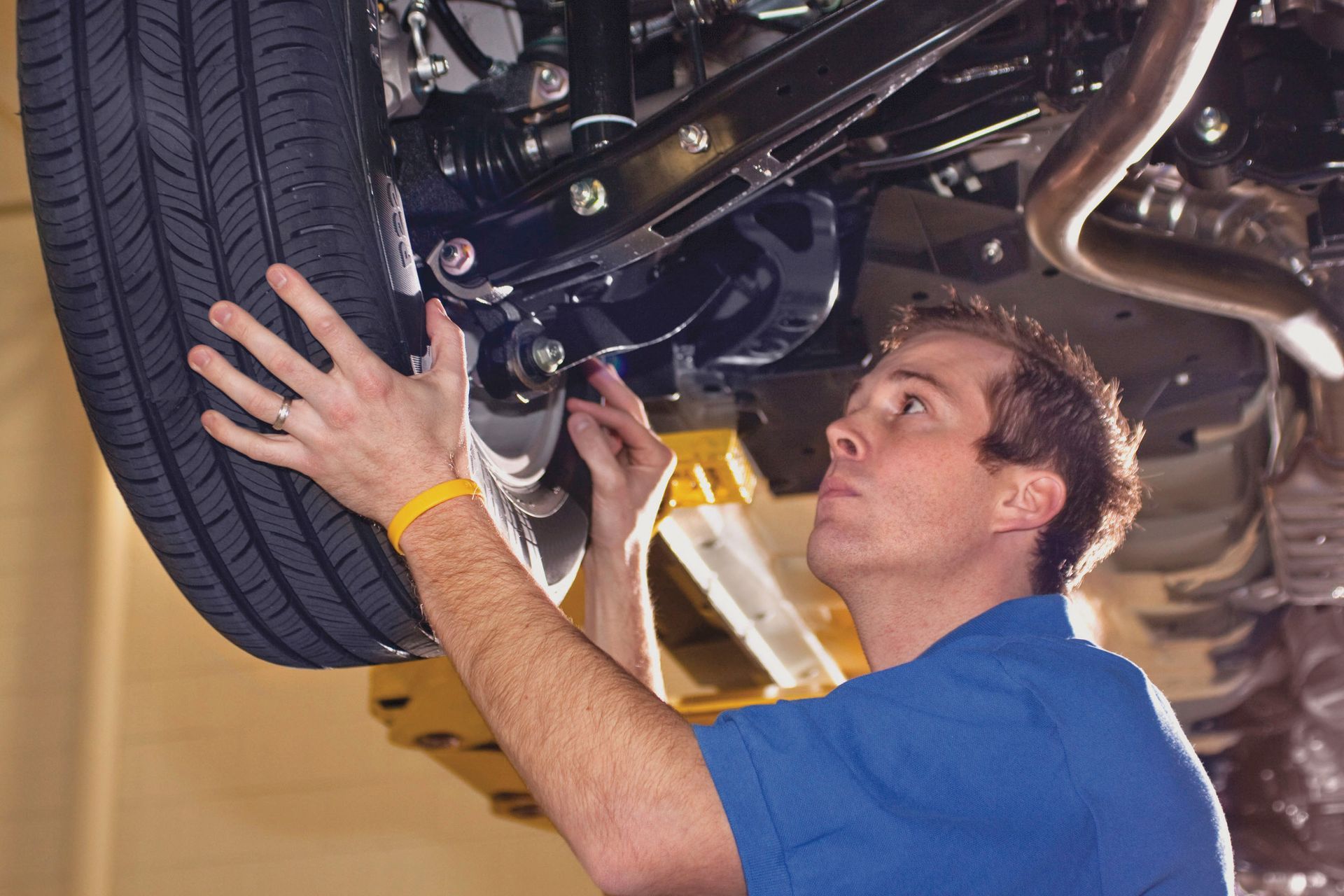
Automotive manufacturers specify ideal mileage intervals for this service within the owner manual, which owners should follow diligently. Failing to stick to these milestones can cause rapid, irreversible cupping and feathering patterns that ruin overall ride quality. While some enthusiasts perform this task at home, professional technicians offer unmatched precision. Experts possess the specialized equipment necessary to execute complex cross patterns or directional swaps safely while simultaneously inspecting hidden suspension parts.
3. Align Wheels to Prevent Wear
Wheel alignment involves adjusting the intricate angles of your vehicle suspension so that the wheels point precisely in the manufacturer's intended direction. Proper alignment ensures that your vehicle travels straight without drifting, providing a seamless driving experience. When your suspension shifts out of alignment, the wheels fight against each other, creating intense friction and dragging. This mechanical dragging accelerates tread degradation on the inner edges, forcing the engine to work harder and noticeably lowering fuel efficiency.
Recognizing the early symptoms of a misaligned suspension can save you from premature replacement expenses down the road. If your steering wheel sits crooked while traveling down a straight highway, your vehicle needs immediate professional attention. Drivers should request an alignment inspection at regular calendar intervals or whenever they invest in brand-new auto tires. Technicians utilize advanced optical sensors to calibrate the delicate camber, toe, and caster angles perfectly for stable handling.
4. Monitor Tread Depth and Condition
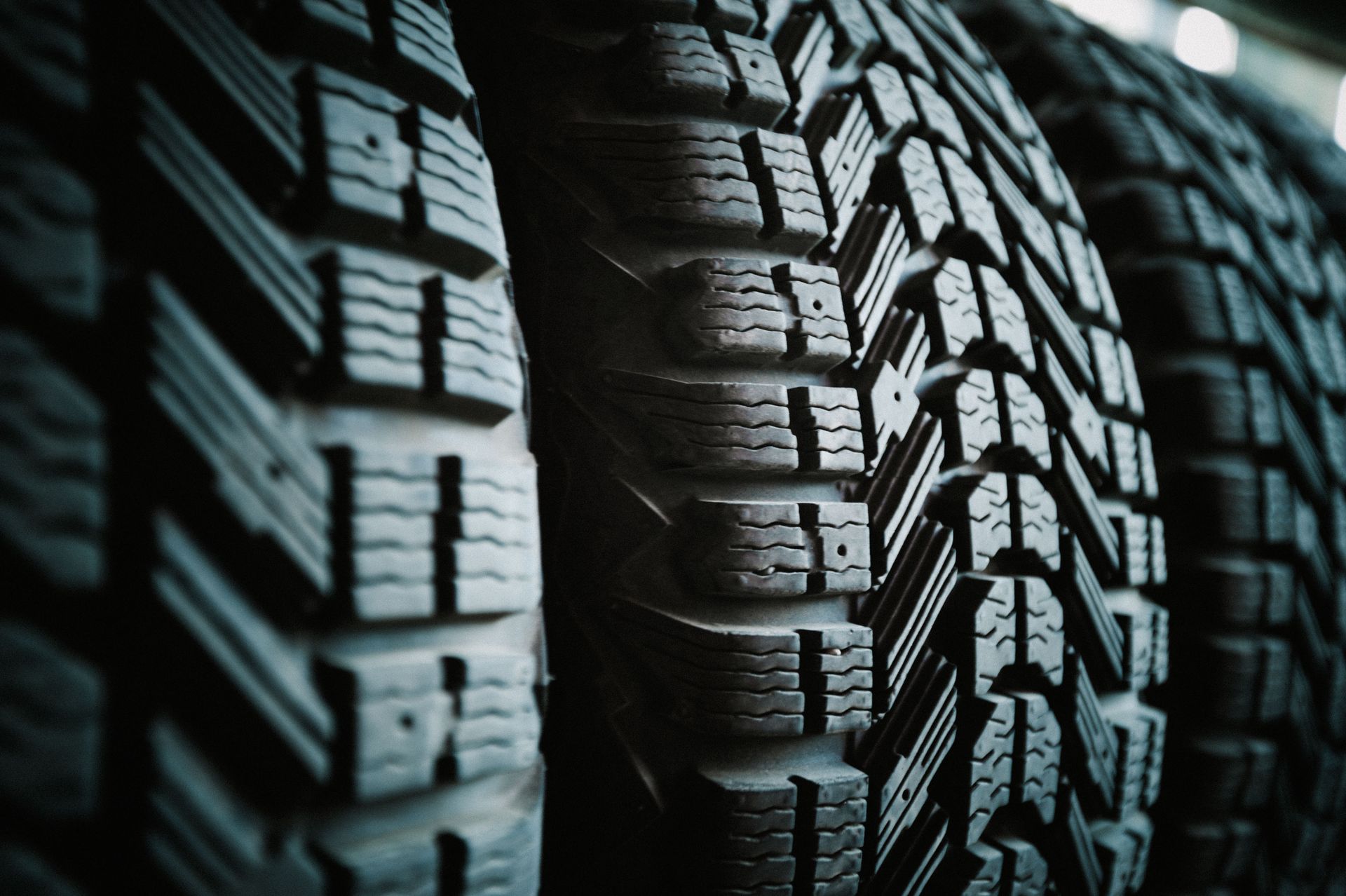
The depth of your tread patterns determines how effectively your vehicle grips the road surface during inclement weather conditions. These specialized rubber grooves channel standing water away from the contact patch, preventing dangerous hydroplaning incidents on wet roads. Symmetrical layouts provide quiet cruising, while directional patterns offer high-performance handling in wet conditions. Checking depth regularly using a gauge ensures compliance with safety laws before grooves fall below the legal minimum limit.
Inspecting the physical appearance of your tread reveals deep-seated mechanical issues within your vehicle suspension or inflation habits. Smooth wear isolated to the exact center indicates chronic overinflation, while heavy wear on both outer shoulders points to underinflation. Modern auto tires feature built-in wear bars embedded deep within the tread grooves to aid visual inspections. When these bars become flush with the surrounding tread, the component has reached its operational limit.
5. Repair Structural Damage Promptly
Being aware of various types of physical damage is crucial for preemptive maintenance and ensuring safe driving conditions. Punctures caused by sharp objects can often be repaired if detected early, but require swift action to prevent worsening. Cuts in the sidewall result from impacts with curbs and render these auto tires highly dangerous for highway use. Bulges signal structural weakness and necessitate immediate replacement to avoid catastrophic blowouts at high speeds.
Deciding whether to repair or replace a damaged component involves careful assessment of the defect location. Repairs are typically feasible for small punctures located strictly within the tread zone, utilizing robust patch and plug combinations. If damage extends to the sidewall or exceeds minor puncture limits, complete replacement is recommended due to safety risks. Prioritizing safety over cost considerations is vital, and advanced methods like vulcanization can sometimes address specific non-critical issues.
6. Adapt Maintenance for Changing Seasons
Selecting appropriate styles for prevailing weather conditions is critical for maintaining optimal vehicle performance and safety throughout the year. Winter designs feature unique rubber compounds and deep patterns to provide superior grip on ice, enhancing cold-weather handling. Conversely, summer versions offer improved performance in warm weather by utilizing specialized materials engineered for high heat resistance. All-season auto tires serve as a practical middle ground, suitable for diverse conditions but less specialized than seasonal alternatives.
Getting ready for winter weather involves several careful steps to ensure stable driving through heavy snow or ice. Check your air pressure regularly, as cold weather can significantly reduce internal inflation levels and impact handling safety. Proper storage of off-season equipment is also important to preserve rubber quality and minimize environmental degradation over time. Clean each component thoroughly and store them in a cool, dry environment away from direct sunlight to maintain structural integrity.
Consistently executing these foundational maintenance strategies guarantees that your vehicle remains dependable, efficient, and secure across every journey. By keeping a close eye on inflation levels, adhering to rotation schedules, and monitoring alignment, you protect your valuable automotive assets. Safe driving begins where the rubber meets the road, making diligent oversight an indispensable habit for every responsible vehicle owner. Understanding these core principles empowers you to avoid unexpected breakdowns and optimize your overall driving experience.
Prioritizing regular inspections helps maximize the operational lifespan of your auto tires while reducing unnecessary ownership costs. Taking a proactive approach to automotive health ensures that minor tread imperfections or pressure drops never compromise your safety on the highway. Contact us at D H Tire, Inc for all your automotive needs.